Heat Recovery Ventilation Systems: Enhancing Energy Efficiency in Modern Buildings

# Heat Recovery Ventilation Systems: Enhancing Energy Efficiency in Modern Buildings

## Introduction

Heat recovery ventilation (HRV) systems represent a critical advancement in building climate control technology, combining efficient air exchange with thermal energy conservation. These sophisticated systems have become essential components in contemporary HVAC design, particularly in energy-conscious construction projects. By capturing and reusing thermal energy from exhaust air, heat exchangers significantly reduce heating and cooling loads while maintaining superior indoor air quality.

## Understanding Heat Exchangers in Ventilation

Heat exchangers are the core technology enabling heat recovery in ventilation systems. These devices facilitate the transfer of thermal energy between two air streams—typically between outgoing stale air and incoming fresh air—without allowing the air streams to mix. This process occurs through a thermally conductive barrier, usually made from aluminum, copper, or specialized polymers.

The efficiency of modern heat exchangers typically ranges from 70% to 90%, meaning that 70-90% of the thermal energy in exhaust air is recovered and transferred to incoming fresh air. This remarkable efficiency translates directly into reduced energy consumption for heating during winter months and cooling during summer periods.

## Types of Heat Recovery Systems

**Plate Heat Exchangers** remain the most common configuration in residential and light commercial applications. These units feature multiple thin plates stacked together, creating alternating channels for warm and cool air streams. The compact design and high surface area enable excellent heat transfer efficiency while maintaining a relatively small footprint.

**Rotary Heat Exchangers** (also called thermal wheels) employ a rotating drum filled with a heat-absorbing material. As the drum rotates, it alternately exposes its surface to exhaust air and incoming fresh air, transferring thermal energy with each rotation. These systems achieve exceptional efficiency rates and are particularly effective in applications requiring high air volumes.

**Run-Around Coil Systems** utilize a circulating liquid medium to transport thermal energy between two separate heat exchangers. This configuration offers flexibility in system design and is ideal for situations where the exhaust and intake points are geographically separated.

## Benefits of Heat Recovery Ventilation

The implementation of HRV systems delivers multiple advantages to building owners and occupants. Energy savings represent the most quantifiable benefit—studies consistently demonstrate 20-40% reductions in annual heating and cooling energy consumption. In climates with significant temperature variations, these savings can be even more substantial.

Beyond energy efficiency, HRV systems maintain continuous fresh air supply while preventing the drafts and discomfort associated with traditional ventilation methods. The controlled air exchange ensures consistent indoor air quality by removing moisture, odors, and pollutants while introducing filtered outdoor air.

## Applications in Modern Ventilation Design

Contemporary ventilation systems increasingly integrate heat recovery technology as a standard feature rather than an optional upgrade. Residential applications benefit from improved comfort and reduced utility bills, while commercial buildings achieve compliance with increasingly stringent energy codes and sustainability standards.

Industrial applications employ specialized heat exchangers designed for demanding environments, handling high-temperature exhaust streams and corrosive atmospheres. These robust systems maintain operational reliability while recovering valuable thermal energy that would otherwise be wasted.

## Conclusion

Heat recovery ventilation systems represent a mature, proven technology that delivers substantial energy savings while improving indoor environmental quality. As building codes continue to emphasize energy efficiency and sustainability, the adoption of HRV systems with advanced heat exchangers will undoubtedly accelerate. For architects, engineers, and building owners committed to reducing operational costs and environmental impact, heat recovery ventilation technology offers an excellent return on investment combined with measurable performance benefits.

Heat Recovery Ventilation Systems: Enhancing Energy Efficiency in Modern Buildings

# Heat Recovery Ventilation Systems: Enhancing Energy Efficiency in Modern Buildings

## Introduction

Heat recovery ventilation (HRV) systems represent a critical advancement in building climate control technology, combining efficient air exchange with thermal energy conservation. These sophisticated systems have become essential components in contemporary HVAC design, particularly in energy-conscious construction projects. By capturing and reusing thermal energy from exhaust air, heat exchangers significantly reduce heating and cooling loads while maintaining superior indoor air quality.

## Understanding Heat Exchangers in Ventilation

Heat exchangers are the core technology enabling heat recovery in ventilation systems. These devices facilitate the transfer of thermal energy between two air streams—typically between outgoing stale air and incoming fresh air—without allowing the air streams to mix. This process occurs through a thermally conductive barrier, usually made from aluminum, copper, or specialized polymers.

The efficiency of modern heat exchangers typically ranges from 70% to 90%, meaning that 70-90% of the thermal energy in exhaust air is recovered and transferred to incoming fresh air. This remarkable efficiency translates directly into reduced energy consumption for heating during winter months and cooling during summer periods.

## Types of Heat Recovery Systems

**Plate Heat Exchangers** remain the most common configuration in residential and light commercial applications. These units feature multiple thin plates stacked together, creating alternating channels for warm and cool air streams. The compact design and high surface area enable excellent heat transfer efficiency while maintaining a relatively small footprint.

**Rotary Heat Exchangers** (also called thermal wheels) employ a rotating drum filled with a heat-absorbing material. As the drum rotates, it alternately exposes its surface to exhaust air and incoming fresh air, transferring thermal energy with each rotation. These systems achieve exceptional efficiency rates and are particularly effective in applications requiring high air volumes.

**Run-Around Coil Systems** utilize a circulating liquid medium to transport thermal energy between two separate heat exchangers. This configuration offers flexibility in system design and is ideal for situations where the exhaust and intake points are geographically separated.

## Benefits of Heat Recovery Ventilation

The implementation of HRV systems delivers multiple advantages to building owners and occupants. Energy savings represent the most quantifiable benefit—studies consistently demonstrate 20-40% reductions in annual heating and cooling energy consumption. In climates with significant temperature variations, these savings can be even more substantial.

Beyond energy efficiency, HRV systems maintain continuous fresh air supply while preventing the drafts and discomfort associated with traditional ventilation methods. The controlled air exchange ensures consistent indoor air quality by removing moisture, odors, and pollutants while introducing filtered outdoor air.

## Applications in Modern Ventilation Design

Contemporary ventilation systems increasingly integrate heat recovery technology as a standard feature rather than an optional upgrade. Residential applications benefit from improved comfort and reduced utility bills, while commercial buildings achieve compliance with increasingly stringent energy codes and sustainability standards.

Industrial applications employ specialized heat exchangers designed for demanding environments, handling high-temperature exhaust streams and corrosive atmospheres. These robust systems maintain operational reliability while recovering valuable thermal energy that would otherwise be wasted.

## Conclusion

Heat recovery ventilation systems represent a mature, proven technology that delivers substantial energy savings while improving indoor environmental quality. As building codes continue to emphasize energy efficiency and sustainability, the adoption of HRV systems with advanced heat exchangers will undoubtedly accelerate. For architects, engineers, and building owners committed to reducing operational costs and environmental impact, heat recovery ventilation technology offers an excellent return on investment combined with measurable performance benefits.

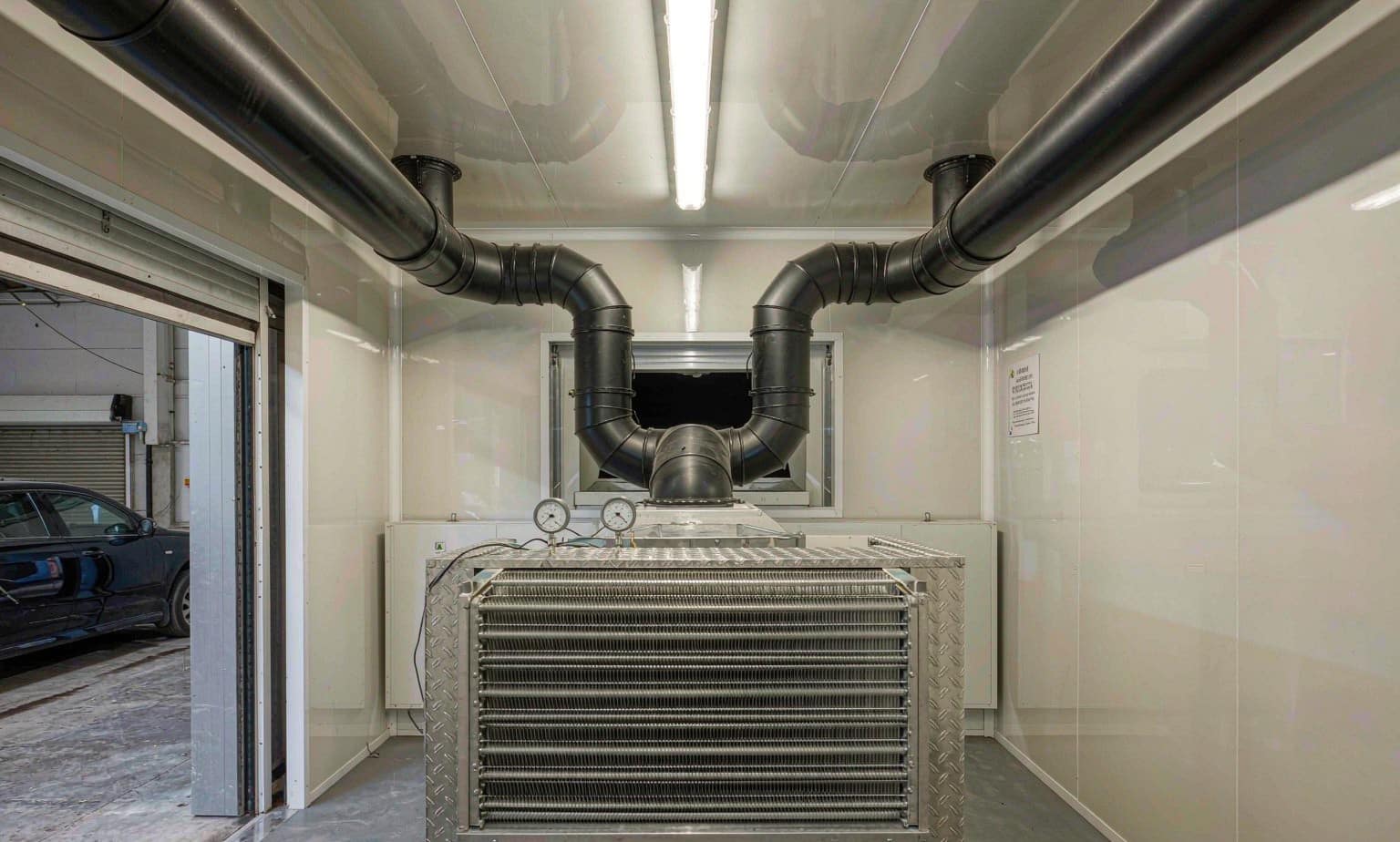
Energy-Saving Heat Dissipation Counterflow Heat Exchange Core – Waste Heat Recovery Equipment

The energy-saving counterflow heat exchange core is designed to recover heat from exhaust air while improving overall energy efficiency. It is widely used in industrial ventilation systems, telecom base stations, livestock farms, drying equipment, and HVAC systems to reduce energy consumption and operating costs.


Product Features

1. High-Efficiency Counterflow Heat Exchange Design
The counterflow structure allows the hot and cold air streams to flow in opposite directions, maximizing heat transfer time and efficiency. Heat recovery efficiency can reach 70%–90%, significantly improving energy utilization.

2. Energy Saving and Cost Reduction
By recovering heat from exhaust air and transferring it to incoming fresh air, the system reduces the load on heating and cooling equipment, helping businesses lower operational costs and energy consumption.

3. Complete Air Separation
Fresh air and exhaust air exchange heat through the aluminum heat exchange core without mixing, ensuring clean and safe airflow while preventing cross-contamination.

4. Durable and Corrosion-Resistant Materials
The heat exchanger core is made of hydrophilic aluminum foil or aluminum plates, offering excellent corrosion resistance, anti-mold properties, and long service life.

5. Customizable Design
Available in various sizes and specifications. Custom manufacturing can be provided according to airflow requirements, equipment dimensions, and specific application environments.


Applications

  • Telecom base station cooling systems

  • Industrial plant ventilation

  • Livestock and poultry farm ventilation systems

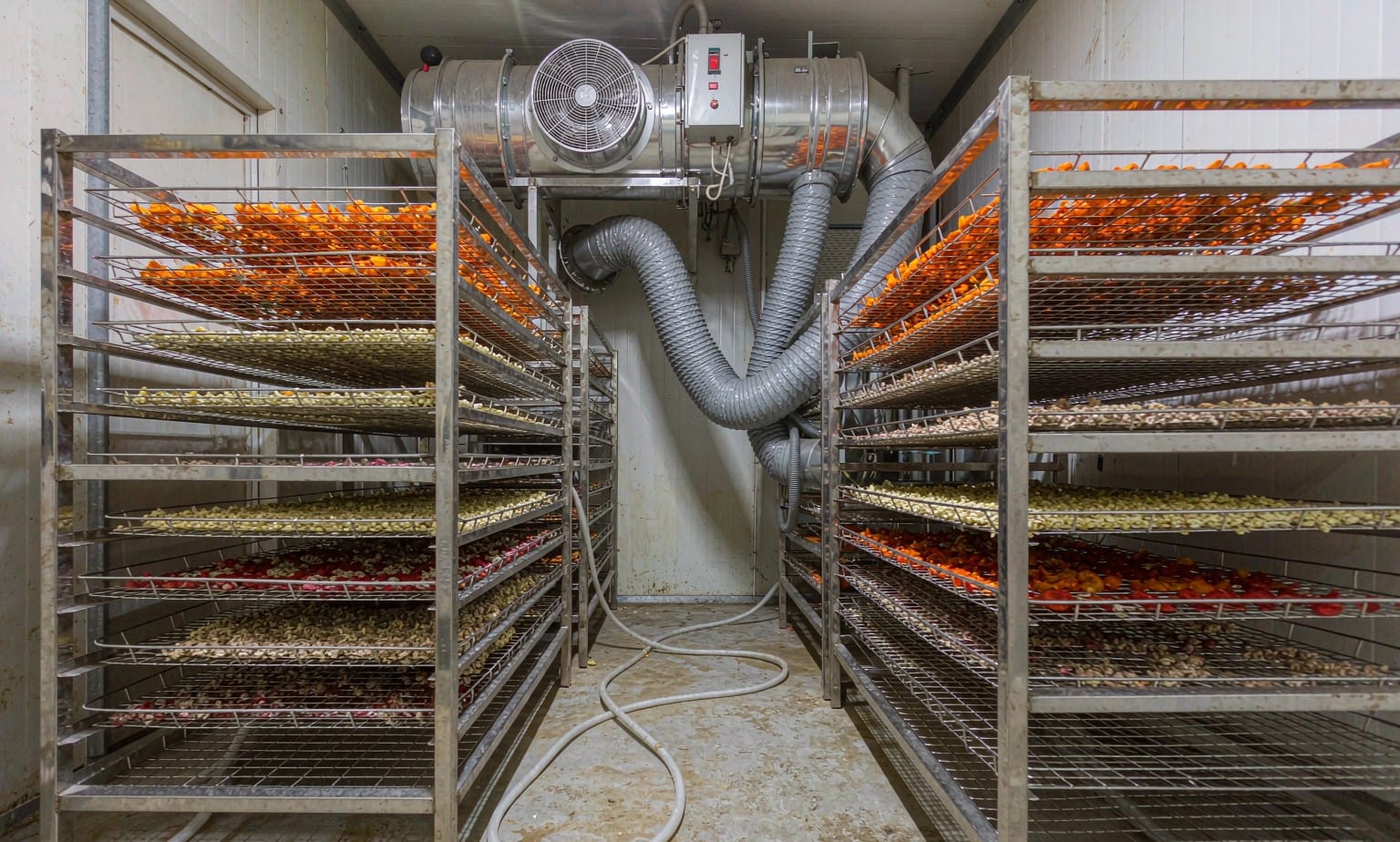
  • Drying equipment waste heat recovery

  • Fresh air ventilation systems

  • Data center and equipment room cooling

Exhaust Gas Heat Recovery System

Efficient Energy Recovery · Lower Operating Costs · Sustainable Operation

In many industrial processes such as drying, pelletizing, textile finishing, food processing, and material treatment, large volumes of high-temperature exhaust gas are continuously discharged to the atmosphere. These exhaust gases contain a significant amount of recoverable sensible heat, which is often wasted, leading to high energy consumption and increased operating costs.

The Exhaust Gas Heat Recovery System is designed to capture and reuse this wasted thermal energy, improving overall system efficiency while reducing fuel and electricity consumption.

Working Principle

The system is based on a plate-type air-to-air heat exchanger core. High-temperature exhaust gas and fresh intake air flow through separate, fully isolated channels inside the heat exchanger. Heat is transferred through the exchanger plates without any mixing of air streams, ensuring clean, safe, and odor-free operation.

Recovered heat is used to preheat fresh air supplied back to the process, such as drying chambers, pellet coolers, or ventilation systems. As a result, the load on heaters, burners, or steam systems is significantly reduced.

Key Advantages

  • High Heat Recovery Efficiency
    The plate heat exchanger core provides a large heat transfer surface, allowing effective recovery of sensible heat from exhaust gas.

  • No Air Mixing, No Contamination
    Exhaust air and fresh air are completely separated, preventing odor return, moisture carryover, or product contamination.

  • Energy Saving and Cost Reduction
    By reusing exhaust heat, fuel and electricity consumption are reduced, leading to fast return on investment.

  • Moisture Reduction and Temperature Control
    The system helps lower exhaust gas temperature and humidity, reducing downstream cooling or dehumidification requirements.

  • Low Operating Cost
    No additional heating or cooling energy is required. The system operates with minimal power consumption, mainly for fans.

  • Modular and Flexible Design
    The system can be customized according to air volume, temperature, and process requirements, suitable for both new installations and retrofit projects.

Typical Applications

  • Feed pellet drying and cooling systems

  • Industrial drying and deodorization equipment

  • Textile stenters and finishing machines

  • Nonwoven and leather processing lines

  • Industrial ventilation and exhaust air treatment systems

Sustainable and Reliable Solution

By converting waste heat into usable energy, the Exhaust Gas Heat Recovery System supports energy-efficient production and sustainable industrial development. It not only reduces operational costs but also contributes to lower carbon emissions and improved working environments.

This system is an ideal solution for industries seeking reliable, low-maintenance, and environmentally responsible heat recovery technology.

Waste Heat Recovery from Livestock Manure Fermentation Exhaust

Equipment: BXB600-595-4-H Air-to-Air Plate Heat Exchanger
Working Conditions: 4500 m³/h airflow per unit; exhaust temperature 50–60°C; contains ammonia, moisture, and corrosive components

Application Background

During livestock manure fermentation, large volumes of warm and humid exhaust air containing ammonia are continuously discharged. A significant amount of heat is lost during this process. By using an air-to-air heat recovery exchanger to preheat fresh air, the system can reduce energy consumption for heating, improve ventilation efficiency, and decrease visible white plume from exhaust discharge.

Heat Exchanger Selection

The BXB600-595-4-H is a cross-flow aluminum plate heat exchanger, suitable for fermentation exhaust, composting exhaust, and other moderate-corrosive gas conditions.

High efficiency: Cross-flow structure with strong temperature difference driving force; sensible heat recovery efficiency can reach 50–65%.
Low pressure drop: Optimized flow channels, well-matched with the 4500 m³/h airflow requirement.
Corrosion resistance: Optional surface passivation or epoxy coating for enhanced protection against ammonia and acidic condensate.
Zero energy consumption: No water or steam required; heat recovery is achieved solely through the temperature difference between exhaust and fresh air.

Functional Benefits and Energy Savings

  1. Fresh Air Preheating
    Exhaust air at 50–60°C can effectively preheat cold fresh air during winter, reducing the heating load for livestock houses, composting systems, and fermentation equipment.

  2. Reduced Exhaust Humidity and White Plume
    After heat extraction, the exhaust temperature drops, reducing visible white vapor during outdoor discharge and improving environmental perception.

  3. Lower Corrosion Risks
    Exhaust and fresh air remain completely separated. Tail gas channels can be coated for extended service life when handling corrosive components.

  4. Energy Savings
    Compared with electric heaters or steam heating, the system can reduce energy consumption by 20–60%, depending on temperature conditions and fresh air load.

Installation & Maintenance Notes

• Install filters on the exhaust side to block dust and particulates.
• Ensure proper condensate drainage to prevent corrosion from acidic liquids.
• Select fans with sufficient static pressure to maintain airflow under varying humidity.
• Optional bypass system to stabilize fresh-air temperature during exhaust fluctuations.

Mine Exhaust Waste Heat Recovery System

The mine exhaust waste heat recovery system captures heat from mine ventilation exhausts to provide heating for surface facilities or pre-warm incoming air.

Benefits

  • Energy Recovery: Recovers up to 60% of waste heat from exhausts.

  • Cost Efficiency: Reduces heating costs in cold climates.

  • Safety: Improves working conditions by managing underground heat.

Implementation

In a mining operation, exhaust air from deep shafts is passed through heat recovery units to warm surface buildings, enhancing energy use in remote locations.

Case Study

A mine in a cold region reduced heating costs by 25% using this system, improving operational sustainability.

Wind Turbine Nacelle Cooling System

The wind turbine nacelle cooling system is designed to manage the temperature within wind turbine nacelles, ensuring optimal performance of electrical components in varying weather conditions.

Benefits

  • Equipment Longevity: Prevents overheating, extending component life.

  • Efficiency: Maintains peak performance of turbines.

  • Energy Recovery: Recovers heat for potential reuse.

Implementation

The system uses heat exchangers to dissipate heat from the nacelle's internal components, with recovered heat potentially used for nearby heating needs. This is critical in offshore wind farms.

Case Study

An offshore wind farm reported a 20% increase in turbine efficiency after installing this cooling system.

Indirect Evaporative Cooling System

The indirect evaporative cooling system provides an energy-efficient cooling solution for data centers and commercial buildings, utilizing the evaporation of water without direct air humidification.

Benefits

  • Energy Savings: Reduces cooling energy use by up to 50% compared to traditional systems.

  • Environmental Friendliness: Uses no harmful refrigerants.

  • Comfort: Maintains low humidity levels, ideal for sensitive equipment.

Implementation

In a data center, the system uses a heat exchanger to cool incoming air with evaporative cooling, ensuring stable temperatures for servers without increasing indoor humidity.

Case Study

A data center reduced its cooling costs by 35% using this system, demonstrating its effectiveness in high-heat environments.

Smoke Whitening Environmental Protection System

The smoke whitening environmental protection system is used in industrial settings to reduce visible smoke emissions, improving air quality and complying with environmental regulations.

Benefits

  • Air Quality Improvement: Eliminates visible smoke, reducing particulate matter.

  • Regulatory Compliance: Meets stringent emission standards.

  • Energy Efficiency: Recovers heat from flue gases for reuse.

Implementation

This system employs heat exchangers and condensers to cool flue gases below their dew point, causing water vapor to condense and reducing visible plumes. In a coal-fired plant, this technology reduced smoke visibility by 90%.

Case Study

A chemical plant implementing this system achieved a 95% reduction in visible emissions, aligning with local environmental goals.

Industrial Heat Emission Recovery and Reuse System

The industrial heat emission recovery and reuse system is employed in factories and power plants to capture waste heat from industrial processes and repurpose it for heating or power generation.

Benefits

  • Energy Reuse: Recovers up to 70% of waste heat, enhancing overall efficiency.

  • Cost Reduction: Lowers fuel consumption and operational expenses.

  • Environmental Benefit: Reduces greenhouse gas emissions.

Implementation

In a power plant, heat from exhaust gases is captured using heat exchangers and redirected to preheat boiler feedwater or generate additional electricity. This closed-loop system minimizes energy loss.

Case Study

A steel manufacturing plant reduced its energy costs by 18% after installing this system, showcasing its potential in heavy industry.

Need Help?