Optimizing Data Center Efficiency: Heat Recovery Solutions for Modern Cooling Challenges

Introduction

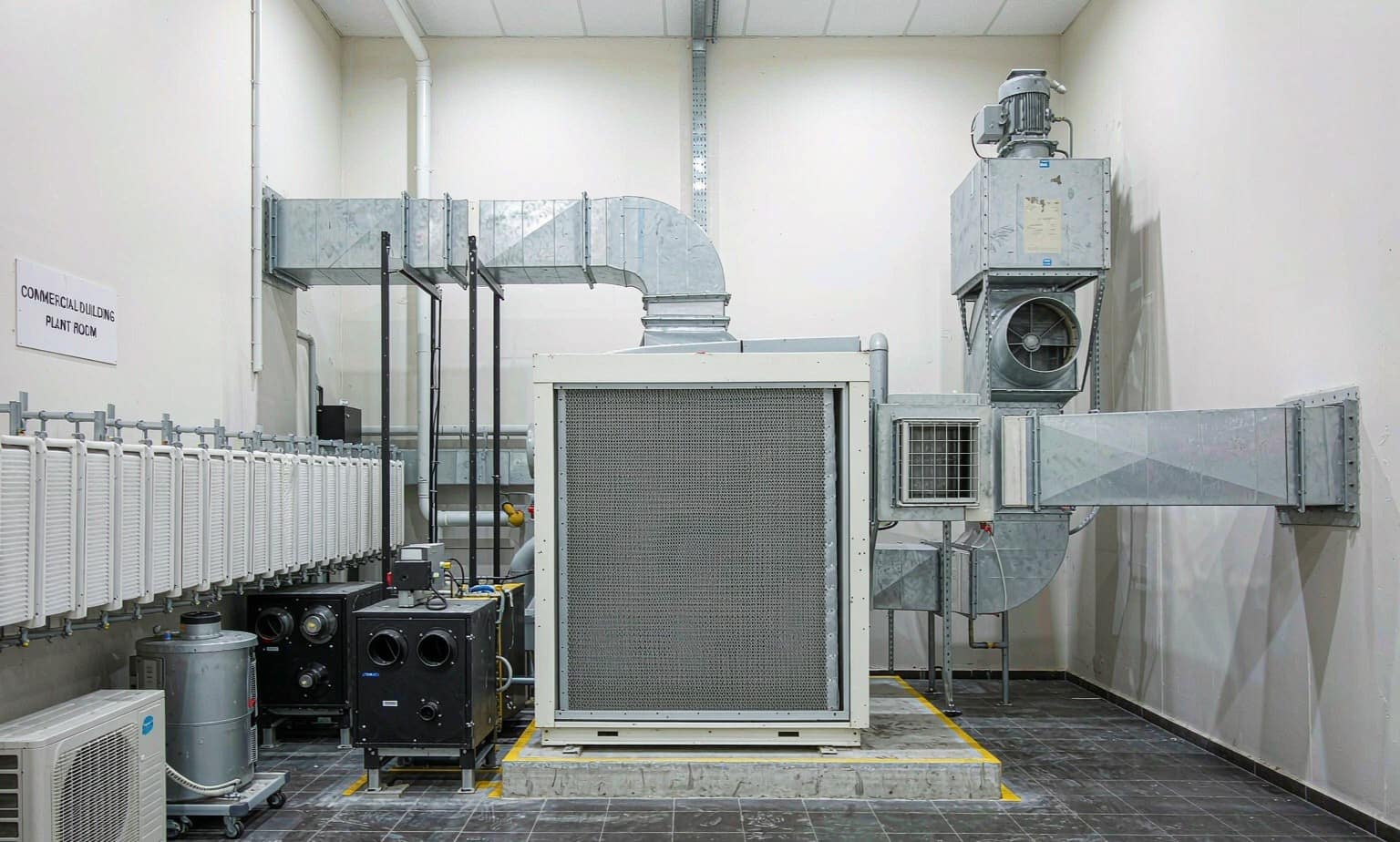
In the era of digital transformation, data centers have become the backbone of global infrastructure. With the exponential growth of cloud computing, artificial intelligence, and big data analytics, the demand for data processing power has skyrocketed. However, this growth comes with a significant challenge: thermal management. Data centers and electrical cabinets generate substantial heat that must be efficiently dissipated to maintain optimal operating conditions. This case study explores how advanced heat exchanger and ventilation heat recovery systems are revolutionizing cooling efficiency in data center environments.

Industry Challenges in Data Center Cooling

Data centers consume approximately 1-2% of global electricity, with cooling systems accounting for nearly 40% of this energy usage. Traditional cooling methods rely heavily on energy-intensive air conditioning systems that not only drive up operational costs but also contribute to carbon emissions. Key challenges include:

  • High Energy Consumption: Conventional cooling systems can consume 30-50% of a data center's total power budget.
  • Hot Spots: Uneven heat distribution creates temperature variations that can damage sensitive equipment.
  • Water Usage: Many cooling systems require significant water consumption for cooling towers.
  • Regulatory Compliance: Increasing environmental regulations demand more sustainable cooling solutions.

Application Scenarios: Heat Recovery in Data Centers

1. Server Room Ventilation Heat Recovery

Modern data centers implement air-to-air heat recovery systems that capture waste heat from server exhaust air and pre-condition incoming fresh air. This approach reduces the cooling load on mechanical refrigeration systems by up to 30%. Heat recovery ventilators (HRVs) and energy recovery ventilators (ERVs) transfer heat between exhaust and supply air streams without mixing the air masses, maintaining air quality while recovering energy.

2. Electrical Cabinet Cooling with Plate Heat Exchangers

Electrical cabinets housing servers, switches, and power distribution units require precise temperature control. Plate heat exchangers offer an efficient solution by transferring heat from the cabinet interior to a secondary cooling circuit. These compact devices provide high thermal efficiency in a small footprint, making them ideal for retrofitting existing installations. The separation of cooling mediums prevents contamination while ensuring reliable heat dissipation.

3. Liquid Cooling Integration

As server densities increase, air cooling alone becomes insufficient. Liquid cooling systems utilizing plate heat exchangers or shell-and-tube designs enable direct heat capture from high-performance computing equipment. The recovered heat can be redirected for facility heating or domestic hot water preparation, achieving overall system efficiency improvements of 20-40%.

4. Free Cooling and Heat Recovery Combination

In temperate climates, free cooling systems leverage ambient air temperature to dissipate heat without mechanical refrigeration. When ambient conditions are favorable, heat recovery systems bypass traditional cooling systems entirely. During transitional seasons, hybrid systems combine free cooling with heat recovery to maximize energy savings. Advanced control systems automatically adjust operating modes based on real-time temperature and humidity conditions.

Product Benefits and Technical Advantages

Energy Efficiency Improvements

Heat recovery systems for data centers deliver substantial energy savings through multiple mechanisms:

  • Reduced Cooling Load: Recovering 60-80% of waste heat directly reduces the energy required for cooling.
  • Optimized HVAC Operation: Pre-conditioned supply air reduces the workload on chillers and air handling units.
  • Heat Reuse Opportunities: Recovered heat can warm office spaces, water, or support absorption cooling systems.

Enhanced Equipment Reliability

Consistent temperature control prolongs equipment lifespan and reduces failure rates. Heat recovery systems maintain stable operating environments even during peak loads or partial power outages. Redundant designs ensure continuous operation, with some systems offering N+1 configurations for critical applications.

Environmental Sustainability

By reducing electricity consumption and enabling heat reuse, these systems significantly lower carbon footprints. Data centers implementing comprehensive heat recovery solutions report carbon emission reductions of 15-25%. Some facilities achieve net-zero cooling through innovative heat recovery and renewable energy integration.

Scalability and Flexibility

Modular heat recovery systems allow data center operators to scale cooling capacity incrementally as infrastructure expands. Standardized interfaces and plug-and-play designs minimize installation disruption. Systems can be configured for various airflow arrangements, including raised floor, overhead, and in-row cooling configurations.

ROI Analysis and Financial Benefits

Energy Cost Savings

A typical 1 MW data center spending ,000 annually on cooling can reduce this cost by ,000-,000 with heat recovery implementation. Energy savings stem from reduced chiller operation, optimized airflow management, and heat reuse applications.

Payback Period

Capital investments in heat recovery systems typically achieve payback within 2-4 years depending on climate, energy prices, and system configuration. Incentive programs in many regions offer rebates covering 20-30% of installation costs, accelerating ROI.

Operational Cost Reductions

Beyond energy savings, heat recovery systems reduce maintenance costs through:

  • Extended Equipment Life: Lower operating temperatures reduce component stress and failure rates.
  • Reduced Water Consumption: Closed-loop systems minimize water usage compared to cooling tower-based approaches.
  • Lower Carbon Taxes: Reduced emissions help avoid potential carbon pricing penalties.

Revenue Generation Opportunities

Progressive data centers monetize recovered heat by supplying thermal energy to district heating networks or nearby facilities. In cold climates, this heat can generate ,000-,000 annual revenue for a medium-sized data center. Some operators achieve positive ROI within 18 months through heat sales alone.

Implementation Considerations

System Design Factors

Successful implementation requires careful consideration of:

  1. Thermal Load Profiles: Understanding heat generation patterns enables optimal system sizing.
  2. Airflow Management: Proper containment and routing maximize heat recovery effectiveness.
  3. Control Integration: Building management systems must coordinate heat recovery with existing HVAC infrastructure.
  4. Redundancy Requirements: Critical facilities need backup systems to ensure continuous operation.

Maintenance and Monitoring

Regular maintenance ensures sustained performance:

  • Filter Replacement: Quarterly filter changes maintain airflow and heat transfer efficiency.
  • Coil Cleaning: Annual cleaning prevents fouling that degrades performance.
  • Performance Monitoring: Real-time temperature and flow monitoring enables proactive maintenance.

Conclusion

Heat recovery systems represent a transformative opportunity for data center cooling optimization. By capturing and reusing waste heat, these solutions deliver compelling energy savings, enhance equipment reliability, and support sustainability objectives. As data center densities continue rising and environmental regulations tighten, heat recovery will become an essential component of modern cooling strategies. Forward-thinking operators who implement these systems today position themselves for long-term operational and financial success while contributing to a more sustainable digital infrastructure.

The integration of advanced heat exchangers and ventilation heat recovery systems marks a paradigm shift in data center thermal management. With proven ROI, scalable architectures, and measurable environmental benefits, these technologies offer a clear path toward efficient, resilient, and sustainable data center operations in an increasingly connected world.

Case Study: Heat Exchanger Applications in Industrial Coating and Painting Lines for VOC Exhaust Heat Recovery

Introduction

In the industrial coating and painting sector, energy consumption represents one of the most significant operational costs. Metal fabrication plants, automotive component manufacturers, and furniture finishing facilities all rely on large-scale painting lines that operate at high temperatures. These processes generate substantial volumes of exhaust air containing volatile organic compounds (VOCs) and thermal energy that traditionally goes to waste. However, forward-thinking manufacturers are now capturing this thermal energy through advanced heat recovery systems, dramatically reducing their energy bills while simultaneously addressing environmental compliance requirements.

Understanding the Challenge: VOC Exhaust Heat Recovery

Industrial coating lines typically operate curing ovens and drying tunnels at temperatures ranging from 150°C to 250°C. The exhaust from these systems contains not only VOCs that require abatement through thermal oxidizers or regenerative thermal oxidizers (RTOs) but also significant thermal energy. Without heat recovery, this energy escapes into the atmosphere, representing a substantial financial loss and an unnecessary carbon footprint.

The challenge lies in efficiently transferring heat from contaminated exhaust air to incoming fresh air without compromising air quality or system performance. Modern heat exchanger technologies have evolved to address exactly this challenge, offering robust solutions that withstand the harsh conditions typical in coating operations.

Use Case Scenarios

Automotive Parts Manufacturing

A typical automotive supplier operating two paint lines with gas-fired curing ovens consuming 800,000 therms annually installed a regenerative thermal oxidizer (RTO) with integrated heat recovery. The system captures exhaust heat at 180°C and preheats incoming fresh air to 150°C, reducing natural gas consumption by 52%. The payback period was achieved in 14 months.

Metal Fabrication and Appliance Production

Powder coating operations for appliances require precise temperature control in curing ovens. A major appliance manufacturer implemented plate heat exchangers to recover heat from oven exhaust, using it to precondition make-up air. This application reduced make-up air heating costs by 45% and improved temperature stability in the coating booth, resulting in higher-quality finishes and reduced reject rates.

Wood Furniture Finishing

Furniture manufacturers face unique challenges with VOC emissions from solvent-based stains and lacquers. A case study from a cabinet manufacturer showed that installing a heat recovery ventilator system recovered approximately 65% of exhaust heat, which was redirected to preheat the spray booth intake air during winter months. This application not only reduced heating costs but also improved worker comfort and compliance with indoor air quality standards.

Product Benefits and Technical Advantages

  • Energy Efficiency: Modern heat recovery systems achieve thermal efficiency ratings of 60% to 75%, depending on the technology employed. Plate heat exchangers, rotary heat wheels, and run-around coil systems each offer distinct advantages for different facility configurations.
  • VOC Abatement Integration: Heat recovery systems integrate seamlessly with thermal oxidizers, reducing the auxiliary fuel required to maintain oxidation temperatures. This synergy dramatically lowers operating costs for facilities with RTOs or catalytic oxidizers.
  • Reduced Carbon Footprint: By recovering thermal energy, facilities can reduce greenhouse gas emissions by 30% to 50%, supporting corporate sustainability goals and potentially qualifying for carbon credits or environmental certifications.
  • Improved Process Control: Heat recovery systems stabilize incoming air temperatures, reducing thermal shock to curing ovens and improving coating quality consistency. This results in fewer defects and reduced rework costs.
  • Durability in Harsh Environments: Modern heat exchangers designed for coating applications use corrosion-resistant materials such as stainless steel or specialty coatings that withstand VOC-laden exhaust and periodic cleaning cycles.

ROI Analysis: The Financial Case for Heat Recovery

Implementing heat recovery in industrial coating lines typically requires an initial investment ranging from $50,000 to $300,000, depending on system size and complexity. However, the operational savings generate compelling returns:

  • Energy Cost Savings: Facilities typically save 30% to 55% on natural gas or electricity for make-up air heating. For a medium-sized facility spending $150,000 annually on heating, this translates to $45,000 to $82,500 in annual savings.
  • Payback Period: Most installations achieve payback within 12 to 24 months, depending on local energy costs, system efficiency, and hours of operation. Facilities in regions with high energy costs or strong sustainability incentives see faster returns.
  • Maintenance Costs: Modern heat recovery systems are designed for low maintenance, with automated cleaning cycles and robust construction. Annual maintenance typically represents 2% to 4% of initial capital cost.
  • Incentives and Rebates: Many jurisdictions offer energy efficiency rebates, tax credits, or accelerated depreciation for heat recovery installations, improving project economics by an additional 10% to 30%.

A detailed financial model for a representative facility with $200,000 in annual heating costs shows:

  • Annual energy savings: $80,000 (40% reduction)
  • System cost: $160,000 (installed)
  • Available rebates: $32,000 (20%)
  • Net investment: $128,000
  • Simple payback: 1.6 years
  • 10-year NPV (at 8% discount rate): $351,000

Conclusion

Heat recovery systems for industrial coating and painting lines represent one of the most cost-effective energy efficiency investments available to manufacturers today. With typical payback periods under two years, substantial reductions in carbon emissions, and improved process control, these systems deliver measurable value across financial, operational, and environmental dimensions. As energy costs continue to rise and environmental regulations tighten, facilities that implement heat recovery position themselves for long-term competitiveness and regulatory compliance. For coating line operators evaluating energy efficiency projects, heat recovery should be at the top of the priority list—the combination of quick payback, proven technology, and multiple value streams makes it an exceptional investment opportunity.

Manufacturers ready to explore heat recovery for their coating operations should begin with a comprehensive energy audit to quantify waste heat streams and evaluate applicable technologies. With proper system design and integration, the path to reduced operating costs and enhanced sustainability is both clear and achievable.

Heat Recovery in Textile Dyeing and Setting Machines: A Case Study on Energy Efficiency

Introduction

The textile industry is one of the most energy-intensive manufacturing sectors globally, with thermal energy accounting for approximately 60-70% of total energy consumption. Among various textile processes, dyeing and setting (stenter) machines are particularly energy-hungry, operating at high temperatures and requiring massive amounts of thermal energy. This case study examines how heat recovery systems can significantly reduce energy costs and carbon emissions in textile dyeing and setting operations.

Use Case Scenarios

Dyeing Machines

Textile dyeing machines operate at temperatures ranging from 60?C to 130?C, depending on the dye type and fabric specification. The exhaust air from these machines contains substantial thermal energy that is typically wasted. By installing heat recovery ventilators, mills can capture this waste heat and preheat incoming fresh air or water, reducing the energy required for the dyeing process.

Stenter (Setting) Machines

Stenter machines, used for fabric setting and drying, operate at even higher temperatures (150?C to 200?C). The exhaust from stenter machines contains not only thermal energy but also volatile organic compounds (VOCs) and moisture. Advanced heat recovery systems can recover up to 60-70% of the waste heat while simultaneously treating VOCs through integrated thermal oxidizers.

Heat Recovery Applications

  • Exhaust Air Heat Recovery: Recovering heat from exhaust streams using plate heat exchangers or rotary heat recovery wheels
  • Water Heating: Using recovered heat to preheat process water, reducing boiler fuel consumption
  • Space Heating: Utilizing recovered heat for space heating in colder months
  • VOC Abatement Integration: Combining heat recovery with thermal oxidizers for emissions control

Product Benefits

Energy Savings

Heat recovery systems in textile applications typically achieve 50-70% heat recovery efficiency, resulting in substantial fuel savings. For a medium-sized textile mill, this can translate to 20-30% reduction in overall thermal energy costs.

Environmental Impact

By recovering waste heat, textile mills can significantly reduce their carbon footprint. A typical installation can reduce CO2 emissions by 500-1,500 tons per year, depending on the scale of operation and fuel type used.

Improved Process Efficiency

Preheating incoming air or water reduces the thermal load on boilers and heating systems, allowing them to operate more efficiently and with reduced wear and tear, extending equipment lifespan.

Regulatory Compliance

Modern heat recovery systems integrate VOC abatement technologies, helping textile mills comply with increasingly stringent environmental regulations regarding air emissions.

ROI Analysis

To illustrate the financial benefits, consider a representative case study of a textile mill with the following parameters:

  • Stenter Machine Capacity: 5 million meters of fabric per year
  • Exhaust Air Volume: 20,000 m?/h at 180?C
  • Operating Hours: 6,000 hours per year
  • Fuel Cost: $0.10 per kWh (equivalent)

Investment Costs

  • Heat recovery system (including installation): $150,000
  • Annual maintenance: $5,000

Annual Savings

  • Recovered heat value: $85,000 per year
  • Reduced emissions treatment costs: $10,000 per year
  • Total Annual Savings: $95,000

Payback Period

Simple payback period: $150,000 ? $95,000 = 1.58 years

With a project lifespan of 10-15 years, the net present value (NPV) is highly positive, and the internal rate of return (IRR) typically exceeds 40%, making heat recovery investments extremely attractive for textile manufacturers.

Conclusion

The textile industry's energy challenges present significant opportunities for heat recovery implementation. As demonstrated in this case study, dyeing and setting machines offer substantial waste heat potential that can be economically recovered using modern heat exchanger and ventilation heat recovery systems.

With payback periods typically under 2 years and ROI exceeding 40%, these systems represent one of the most cost-effective energy efficiency investments available to textile manufacturers. Beyond financial returns, heat recovery systems help mills reduce their environmental impact, comply with emissions regulations, and improve overall operational efficiency.

As energy costs continue to rise and environmental regulations become more stringent, the adoption of heat recovery technology in textile dyeing and setting operations will increasingly become not just an option, but a necessity for competitive and sustainable manufacturing.

Heat Exchanger Applications in Sludge Drying and Waste Treatment: A Case Study

Sludge drying and waste treatment facilities face unique thermal management challenges. With increasing environmental regulations and energy costs, facilities are seeking efficient ways to reduce moisture content in sludge while minimizing energy consumption. This article explores how industrial heat exchangers and ventilation heat recovery systems are transforming sludge processing operations.

The Challenge of Sludge Processing

Sludge drying is an energy-intensive process. Municipal wastewater treatment plants and industrial facilities generate large volumes of sludge that require thermal treatment before disposal or reuse. Traditional drying methods consume significant amounts of natural gas or electricity, resulting in high operational costs and substantial carbon footprints.

Facilities processing sewage sludge, industrial waste slurry, and organic residue face several key challenges:

  • High moisture content (typically 75–85% water) requiring substantial thermal energy
  • Variable sludge composition affecting drying consistency
  • Odor control and emission compliance requirements
  • Energy efficiency improvements amid rising fuel costs

Heat Recovery Solutions for Sludge Drying Systems

Exhaust Heat Recovery from Dryers

Rotary drum dryers and disc dryers generate large volumes of hot, moisture-laden exhaust air. A waste heat exchanger captures thermal energy from this exhaust stream — typically 120–180°C — and transfers it to incoming fresh air or process water. This approach recovers 30–50% of the exhaust heat energy, significantly reducing supplementary heating requirements.

Sludge-to-Sludge Heat Exchange

Plate and frame heat exchangers can preheat incoming wet sludge using heat from partially dried product. The thermal gradient across the heat exchange surface reduces the energy needed in the primary drying zone while improving overall process efficiency.

Vapor Compression Heat Recovery

Mechanical vapor recompression (MVR) systems use heat exchangers to compress and reuse water vapor from the drying process. This closed-loop approach achieves energy savings of up to 70% compared to conventional direct-fired dryers, making it particularly attractive for large-scale municipal facilities.

Product Highlights and Specifications

Industrial-grade heat exchangers designed for sludge processing applications feature:

  • Corrosion-resistant materials (stainless steel 316L, titanium, or fluoropolymer coatings)
  • Compact modular designs for retrofit installations
  • Self-cleaning or CIP (clean-in-place) capability for sticky deposits
  • High thermal efficiency ratings (up to 92% effectiveness)
  • Modular airflow capacities from 500 to 50,000 m3/h

ROI Analysis and Project Outcomes

A typical municipal wastewater treatment plant processing 50 tonnes of dewatered sludge per day (80% moisture content) can achieve significant cost savings by implementing waste heat recovery:

  • Energy savings: 30–45% reduction in thermal energy consumption
  • Payback period: 2–4 years depending on energy prices and system scale
  • Carbon reduction: 25–40% decrease in CO2 emissions per tonne of sludge processed
  • Operational benefits: Improved drying consistency and reduced natural gas dependency

For industrial applications with continuous sludge streams, the ROI improves further due to higher utilization rates and the ability to recover process heat that would otherwise be vented to atmosphere.

Case Study: Industrial Sludge Drying Facility

A chemical manufacturing plant in Eastern China processing 30 tonnes/day of industrial sludge installed a combination waste heat recovery system. The installation included a rotary heat exchanger on the dryer exhaust, a sludge-to-sludge plate heat exchanger for preheating, and an economizer for hot water generation.

Results after 12 months of operation:

  • Natural gas consumption reduced by 38%
  • Annual cost savings: approximately CNY 850,000
  • Payback period: 2.8 years
  • Exhaust temperature reduced from 165°C to 78°C, improving compliance with emission standards

Conclusion

Heat exchangers and heat recovery systems represent a proven, cost-effective approach to improving energy efficiency in sludge drying and waste treatment operations. With payback periods typically under five years and significant environmental benefits, these systems are increasingly considered standard equipment for new installations and retrofits alike. Facilities interested in evaluating their heat recovery potential should conduct a thermal audit of their drying process to identify the most impactful recovery opportunities.

For more information on heat exchanger solutions for sludge processing applications, contact our technical team for a customized proposal.

Case Study: Energy-Efficient Cooling Solutions for Data Centers and Electrical Cabinets Using Advanced Heat Recovery Systems

Introduction

The rapid growth of cloud computing, artificial intelligence, and edge computing has led to an unprecedented demand for data centers and electrical infrastructure. As these facilities operate 24/7, they generate substantial heat that must be managed effectively to ensure optimal performance, equipment longevity, and energy efficiency. Traditional cooling methods are energy-intensive and costly, prompting data center operators to seek innovative solutions.

This case study examines how advanced heat exchanger and ventilation heat recovery systems are transforming cooling strategies for data centers and electrical cabinets, delivering significant energy savings, operational reliability, and environmental benefits.

Use Case Scenarios

Hyperscale Data Centers

Large-scale data centers housing thousands of servers require robust cooling infrastructure. Heat exchangers capture waste heat from server racks and IT equipment, transferring it to ventilation systems that either recycle the thermal energy or dissipate it efficiently. This approach reduces the cooling load on traditional CRAC units.

Edge Data Centers and Server Rooms

Smaller data centers and server rooms in corporate offices, hospitals, and telecommunications facilities benefit from compact heat recovery systems. These solutions provide targeted cooling for high-density server cabinets while recovering heat for facility heating or water pre-heating.

Electrical Cabinets and Control Panels

Electrical cabinets containing variable frequency drives, programmable logic controllers, and power distribution units generate concentrated heat. Heat exchangers provide closed-loop cooling that protects sensitive electronics from overheating, dust, and humidity without exposing internal components to external air.

Power Generation and Distribution Facilities

Electrical substations, switchgear rooms, and power converter stations operate high-current equipment that produces significant thermal loads. Ventilation heat recovery systems maintain safe operating temperatures while minimizing energy consumption and preventing equipment failure.

Product Benefits

  • Energy Efficiency: Heat recovery systems capture 60-80% of waste heat, reducing cooling energy consumption by 30-50% compared to traditional air conditioning methods.
  • Equipment Protection: Closed-loop cooling isolates sensitive electronics from dust, contaminants, and humidity, extending equipment lifespan and reducing maintenance costs.
  • Operational Reliability: Redundant heat exchanger configurations ensure continuous cooling even during maintenance or component failure, achieving uptime targets of 99.999%.
  • Space Optimization: Compact plate heat exchangers and air-to-air heat recovery units require minimal floor space, making them ideal for retrofitting existing data centers.
  • Environmental Sustainability: Reduced energy consumption lowers carbon footprints, helping organizations meet sustainability goals and comply with environmental regulations.
  • Cost Savings: Lower electricity bills, reduced HVAC maintenance, and extended equipment life deliver substantial ROI and lower total cost of ownership.
  • Scalability: Modular heat exchanger systems can be expanded as data center capacity grows, providing future-proof cooling infrastructure.

ROI Analysis

Implementing heat recovery and advanced heat exchanger systems in data centers and electrical facilities delivers compelling financial returns:

  • Energy Cost Savings: A typical 500kW data center spending $60,000 annually on cooling can reduce energy costs by 30-45%, saving $18,000 to $27,000 per year.
  • Equipment Longevity: Maintaining optimal operating temperatures extends server and electrical equipment life by 30-40%, deferring capital expenditures for hardware replacement.
  • Implementation Cost: A complete heat recovery system for a 500kW data center costs approximately $40,000 to $60,000 installed.
  • Payback Period: With annual energy savings of $18,000-$27,000, the payback period is typically 1.5 to 3.3 years.
  • Carbon Credit Eligibility: Energy-efficient cooling may qualify for carbon credits or green certifications, providing additional financial incentives.

Over a 10-year lifecycle, the total savings from energy reduction, equipment longevity, and operational efficiency can exceed $200,000 to $300,000 for a mid-sized data center, delivering an ROI of 300-500%.

Conclusion

As data centers and electrical infrastructure continue to expand, efficient thermal management is no longer optional??t is a critical requirement for operational excellence, cost control, and environmental responsibility. Heat exchanger and ventilation heat recovery systems offer a proven, cost-effective solution that delivers immediate energy savings, enhances equipment reliability, and supports sustainability objectives.

Data center operators and facility managers who invest in these technologies position themselves for long-term success, achieving lower operating costs, improved uptime, and reduced environmental impact. The case for heat recovery in data center and electrical cabinet cooling is clear: smarter cooling today builds a more efficient, resilient, and sustainable digital infrastructure for tomorrow.

Case Study: Heat Recovery Solutions for Data Center and Electrical Cabinet Cooling

Introduction

As digital infrastructure expands at an unprecedented pace, data centers have become one of the fastest-growing energy consumers worldwide. According to the International Energy Agency, data centers account for approximately 1鈥?.5% of global electricity demand, and this figure continues to climb with the proliferation of cloud computing, artificial intelligence, and edge computing. A significant portion of this energy鈥攐ften 30鈥?0% of total facility consumption鈥攊s dedicated to cooling systems that remove waste heat from servers, storage arrays, and electrical cabinets. Integrating heat exchangers and ventilation heat recovery systems into data center operations presents a compelling opportunity to reduce energy costs, lower carbon emissions, and improve overall thermal management.

Use Case Scenarios

1. Server Room Air-to-Air Heat Recovery

In conventional data centers, hot exhaust air from server racks is simply expelled or cooled via CRAC (Computer Room Air Conditioning) units. By installing plate-type air-to-air heat exchangers between the hot aisle exhaust and the fresh air intake, facilities can pre-condition incoming ventilation air using waste heat. In colder climates, this recovered thermal energy can also be redirected to heat office spaces or adjacent buildings, transforming a cooling burden into a heating asset.

2. Electrical Cabinet Closed-Loop Cooling

Electrical cabinets housing switchgear, variable frequency drives, and power distribution units generate substantial localized heat. Traditional solutions rely on air conditioning or fans that introduce dust and humidity. Heat pipe-based heat exchangers offer a sealed, closed-loop alternative: the internal air circulates within the cabinet, transfers heat through heat pipes to the external environment, and maintains IP54/IP55 protection ratings without exposing sensitive electronics to contaminants.

3. Liquid Cooling with Secondary Heat Recovery

High-density computing clusters鈥攑articularly GPU farms for AI training鈥攊ncreasingly adopt direct liquid cooling. The warm water (typically 40鈥?0掳C) produced by these systems is ideal for secondary heat recovery. Shell-and-tube or brazed plate heat exchangers can transfer this thermal energy to building heating circuits, domestic hot water systems, or even absorption chillers for trigeneration configurations.

Product Benefits

  • Energy Savings of 25鈥?5%: Recovering waste heat reduces the load on chillers and CRAC units, delivering measurable reductions in power consumption.
  • Enhanced PUE (Power Usage Effectiveness): Facilities leveraging heat recovery routinely achieve PUE values below 1.3, compared to the industry average of 1.58.
  • Zero Cross-Contamination: Air-to-air plate heat exchangers maintain complete separation between exhaust and supply airstreams, preserving indoor air quality and preventing recirculation of particulates.
  • Compact Footprint: Modern counter-flow plate exchangers achieve thermal effectiveness above 80% in a form factor up to 40% smaller than traditional coil-based systems.
  • Low Maintenance: With no moving parts in the heat exchange core and self-cleaning design options, maintenance intervals extend to 12鈥?8 months, reducing operational overhead.
  • Scalable Architecture: Modular designs allow incremental capacity additions as rack density grows, avoiding costly over-provisioning at the design stage.

ROI Analysis

Consider a mid-tier colocation facility with 2 MW of IT load and an annual cooling energy expenditure of approximately ,000. Implementing an air-to-air heat recovery system with an installed cost of ,000 yields the following projection:

  1. Annual Energy Savings: 30% reduction in cooling energy = ,000/year
  2. Simple Payback Period: ,000 / ,000 = 1.4 years
  3. 5-Year Net Savings: ,000 x 5 - ,000 = ,000
  4. Carbon Reduction: Approximately 480 metric tons of CO2 annually, assuming a grid emission factor of 0.4 kg CO2/kWh

For facilities that additionally monetize recovered heat鈥攕uch as selling warm water to district heating networks or using it for on-site absorption cooling鈥攖he payback period can drop below 12 months. Government incentives for energy efficiency and carbon reduction further improve financial returns in many jurisdictions.

Conclusion

Data centers and electrical cabinets represent one of the most impactful applications for heat exchanger and ventilation heat recovery technology. The convergence of rising energy costs, tightening environmental regulations, and growing corporate sustainability commitments makes heat recovery not merely an option but a strategic imperative. By capturing and repurposing waste heat that would otherwise be discarded, facility operators can achieve substantial energy savings, extend equipment lifespan, and contribute meaningfully to decarbonization goals. As the digital economy continues to scale, the intelligent integration of thermal recovery systems will be a defining characteristic of next-generation data center design.

Case Study: Heat Recovery Systems in Data Center Cooling Applications

Introduction

The rapid expansion of cloud computing, artificial intelligence, and edge computing has led to an unprecedented demand for data center capacity worldwide. As data centers scale to meet this demand, they face a critical challenge: the enormous amount of heat generated by high-density server racks and electrical infrastructure. Traditional cooling methods are energy-intensive and costly, often accounting for 30-40% of a data center's total energy consumption. Heat recovery systems and advanced heat exchangers are emerging as transformative solutions, capturing waste heat and either reusing it or improving cooling efficiency. This case study examines how modern heat recovery technologies are being applied in data center and electrical cabinet cooling scenarios, delivering substantial energy savings and operational benefits.

Use Case Scenarios

Data centers and electrical cabinet installations present several distinct use cases for heat recovery and heat exchanger deployment:

  • Server Room Hot Aisle/Cold Aisle Containment: Heat exchangers are integrated into hot aisle containment systems to capture exhaust heat and transfer it to cooling loops, maintaining optimal temperature separation.
  • Electrical Cabinet Cooling: High-power electrical cabinets housing Variable Frequency Drives (VFDs), transformers, and switchgear generate concentrated heat. Air-to-water or air-to-air heat exchangers efficiently remove this heat without exposing sensitive electronics to contaminants.
  • Waste Heat Recovery for Facility Heating: In colder climates, recovered heat from data center cooling systems is redirected to warm office spaces, warehousing areas, or domestic water heating, offsetting boiler fuel consumption.
  • Free Cooling Augmentation: Plate heat exchangers enable "free cooling" by using cooler outdoor air or groundwater to cool the data center's liquid cooling loops when ambient conditions permit, drastically reducing chiller runtime.
  • Battery Energy Storage System (BESS) Cooling: As data centers adopt large-scale battery storage for backup power, thermal management of these battery rooms becomes critical. Heat recovery ventilation maintains safe operating temperatures while recovering thermal energy.

Product Benefits

Deploying specialized heat recovery systems and heat exchangers in data center environments delivers multiple layers of benefits:

  1. Energy Efficiency Improvements: By recovering 60-80% of waste heat, facilities can reduce chilling energy requirements by up to 40%, directly lowering PUE (Power Usage Effectiveness) metrics.
  2. Enhanced Equipment Reliability: Stable, controlled cooling prevents thermal cycling and hot spots that degrade server hardware and shorten equipment lifespan. Redundant heat exchanger loops ensure continuous operation.
  3. Space-Saving Design: Compact plate heat exchangers and air-to-air enthalpy wheels require minimal floor space compared to traditional HVAC infrastructure, preserving valuable data center real estate.
  4. Reduced Water Consumption: Closed-loop heat recovery systems minimize or eliminate the need for water-intensive cooling towers, supporting sustainability goals and reducing operating costs in water-scarce regions.
  5. Scalability and Modularity: Heat recovery systems can be deployed in modular increments, aligning with phased data center build-outs and allowing capacity to match IT load growth.
  6. Regulatory Compliance and ESG Goals: Energy recovery contributes to meeting stringent environmental regulations and corporate sustainability commitments, providing measurable carbon footprint reductions.

ROI Analysis

Investing in heat recovery and advanced heat exchanger systems for data center cooling involves both capital and operational considerations. A typical ROI analysis for a mid-sized data center (500 kW IT load) reveals compelling economics:

  • Capital Investment: Initial system cost (heat exchangers, pumps, controls, installation) typically ranges from ,000 to ,000 depending on system complexity and facility size.
  • Energy Cost Savings: Reducing cooling energy consumption by 35% on a 500 kW load at an average electricity rate of .10/kWh yields annual savings of approximately ,300 (500 kW x 8760 hours x 35% x .10).
  • Payback Period: With energy savings of ,000+ per year, the simple payback period is typically 1.0 to 2.0 years.
  • Additional Savings: Recovering heat for facility heating can save an additional ,000 to ,000 annually in natural gas or electric heating costs.
  • Incentives and Rebates: Many utilities offer demand-side management incentives for heat recovery installations, potentially covering 20-30% of project costs and accelerating ROI.
  • Extended Equipment Life: Improved thermal management reduces server failure rates and extends hardware refresh cycles, delivering additional hard-to-quantify but significant cost avoidance.

Over a 10-year system lifespan, the cumulative financial benefit often exceeds 5-7 times the initial investment, making heat recovery one of the highest-ROI energy efficiency measures available to data center operators.

Conclusion

As data centers continue to grow in size, density, and strategic importance, thermal management is no longer just a reliability concern—it is a major cost driver and sustainability challenge. Heat recovery systems and high-performance heat exchangers offer a proven, economically compelling solution. By capturing and repurposing waste heat, data center operators can dramatically reduce energy consumption, lower operating expenses, achieve ESG targets, and extend infrastructure lifespan. The case for adopting heat recovery in data center and electrical cabinet cooling is clear: the technology is mature, the savings are substantial, and the payback periods are short. For organizations planning new data center builds or retrofitting existing facilities, integrating heat recovery systems should be a top-priority engineering consideration.

Heat Recovery in Wood and Biomass Drying: A Case Study on Energy Optimization

Introduction

Wood drying and biomass processing are among the most energy-intensive operations in the forestry and bioenergy sectors. Kiln drying alone can account for 60–80% of a sawmill’s total energy consumption, with exhaust air temperatures routinely exceeding 80°C. As energy costs climb and sustainability mandates tighten, operators are turning to heat exchangers and ventilation heat recovery systems to capture and reuse waste thermal energy—dramatically reducing fuel bills and carbon emissions.

This case study examines how a mid-scale biomass pellet plant in Scandinavia deployed plate heat exchangers and enthalpy wheels to recover exhaust heat from its rotary drying line, achieving measurable gains in efficiency, product quality, and return on investment.

Application Scenarios

Rotary Drum Dryers for Wood Pellets

In rotary drum dryers, hot combustion gases (180–250°C) pass through wet wood chips or sawdust, evaporating moisture from the feedstock. The exhaust stream—still carrying significant sensible and latent heat—is typically vented to atmosphere. Installing a gas-to-gas plate heat exchanger allows the outgoing hot exhaust to pre-heat incoming combustion air, cutting the primary fuel demand of the burner.

Kiln Drying of Lumber

Conventional batch kilns circulate heated air through stacked lumber. As wood moisture evaporates, the humid exhaust is expelled. Enthalpy-based ventilation heat recovery units capture both sensible and latent energy from this exhaust, transferring it to the fresh intake air. This reduces the kiln’s heating load while maintaining precise humidity control essential for preventing defects like warping and checking.

Biomass Torrefaction and Carbonization

Torrefaction reactors operate at 200–300°C under low-oxygen conditions. The volatile organic compounds and steam released during torrefaction represent a substantial energy stream. Shell-and-tube or finned-tube heat exchangers can condense these volatiles, recovering heat for pre-drying feedstock or generating process steam.

Product Benefits

  • 40–60% reduction in primary fuel consumption for drying operations through effective exhaust heat recapture.
  • Improved moisture uniformity in kiln-dried lumber, as recovered heat enables more stable temperature control.
  • Lower emissions of VOCs and particulates—condensation in heat exchangers captures condensable organics before stack discharge.
  • Compact footprint—modern plate heat exchangers deliver high thermal effectiveness (up to 85%) in a much smaller envelope than traditional shell-and-tube designs.
  • Corrosion-resistant materials (316L stainless steel, special alloys) ensure long service life even with acidic condensate from softwood drying.
  • Automated CIP (clean-in-place) systems minimize downtime for fouling management, a common concern with resin-laden wood exhaust.

ROI Analysis

The Scandinavian pellet plant profiled here invested approximately €220,000 in a complete heat recovery package, including:

  1. Gas-to-gas plate heat exchanger for rotary dryer exhaust (€130,000)
  2. Enthalpy wheel for kiln ventilation recovery (€55,000)
  3. Controls, ductwork, and installation (€35,000)

Key Financial Metrics

  • Annual fuel savings: €98,000 (natural gas displaced by recovered heat)
  • Annual maintenance cost increase: €8,000 (CIP consumables, filter replacements)
  • Net annual savings: €90,000
  • Simple payback period: 2.4 years
  • 10-year NPV (at 8% discount rate): €384,000

Beyond direct financial returns, the plant reduced its CO&sub2; emissions by approximately 280 tonnes per year—positioning it favorably under the EU Emissions Trading System and improving its sustainability reporting metrics.

Conclusion

Heat exchangers and ventilation heat recovery systems offer a proven, commercially viable pathway to slash energy costs in wood and biomass drying operations. The technology is mature, the economics are compelling, and the environmental benefits align with increasingly stringent regulatory frameworks. Whether operating a sawmill kiln, a pellet plant, or a torrefaction facility, investing in exhaust heat recovery delivers rapid payback and long-term competitive advantage. For plant managers seeking to future-proof operations against rising energy prices and carbon taxes, the question is no longer whether to recover heat—but how quickly it can be deployed.

Heat Recovery in Wood and Biomass Drying: Transforming Energy Costs into Competitive Advantage

Introduction: The Hidden Energy Opportunity in Wood Drying Operations

Wood and biomass drying operations represent one of the most energy-intensive processes in the timber and biofuel industries. From sawmills processing raw timber to biomass pellet production facilities, drying kilns consume substantial amounts of thermal energy—often accounting for 60-70% of total operational costs. Yet, a significant portion of this energy is expelled as waste heat through exhaust systems, representing both a financial burden and an environmental challenge.

Advanced heat exchanger technology offers a compelling solution to this paradox. By capturing and recycling waste heat from drying operations, facilities can dramatically reduce energy consumption, lower operating costs, and minimize their carbon footprint—all while maintaining or improving product quality.

Understanding Wood and Biomass Drying Processes

Traditional Kiln Drying Operations

Conventional wood drying kilns operate by circulating heated air through stacked lumber to reduce moisture content from fresh-cut levels (often 50-80%) to target moisture levels suitable for end-use applications (typically 8-15%). This process requires sustained temperatures between 40°C and 90°C over periods ranging from several days to weeks, depending on wood species, thickness, and desired moisture content.

The challenge lies in the thermodynamics: as wood dries, moisture evaporates and is carried away by the circulating air. This moisture-laden air must be exhausted and replaced with fresh, heated air to continue the drying process. The exhausted air contains significant thermal energy that, in traditional systems, is simply vented to atmosphere.

Biomass Pellet Production Challenges

Biomass pellet manufacturing presents similar but distinct challenges. Raw biomass materials—sawdust, wood chips, agricultural residues—must be dried to moisture content below 10% before pelletizing. The drying phase typically employs rotary dryers or belt dryers operating at higher temperatures (often 150-300°C inlet temperatures) than conventional wood kilns. The exhaust streams from these systems contain even higher-grade waste heat, making recovery particularly valuable.

Heat Recovery Solutions: Technology Overview

Air-to-Air Heat Exchangers

Air-to-air heat exchangers represent the most straightforward approach to recovering waste heat from drying operations. These systems transfer thermal energy from hot, moist exhaust air to incoming fresh air without mixing the streams. Key benefits include:

  • Pre-heating combustion air: Recovered heat can warm air entering the heating system, reducing fuel consumption.
  • Pre-conditioning inlet air: Fresh air entering the kiln can be warmed and partially humidified, reducing the energy load on the heating system.
  • Simple integration: Can be retrofitted to existing systems with minimal operational disruption.

Heat Pipe Technology

Heat pipe exchangers offer exceptional efficiency for wood drying applications. These systems use sealed tubes containing a working fluid that evaporates at the hot end and condenses at the cold end, transferring heat with remarkable efficiency. Advantages include:

  • No cross-contamination between air streams
  • Minimal maintenance requirements
  • Excellent performance in high-humidity exhaust conditions
  • Compact design suitable for space-constrained installations

Thermal Fluid Systems

For higher-temperature applications like biomass pellet drying, thermal fluid heat exchangers can capture waste heat and transfer it to a thermal oil system. This recovered energy can then be used for multiple purposes within the facility, including:

  • Pre-heating raw material before drying
  • Providing process heat for other operations
  • Generating hot water for facility use
  • Supplementing boiler systems

Real-World Application: Case Study Analysis

Scenario: Mid-Size Sawmill Operation

A regional sawmill processing 50,000 cubic meters of hardwood annually faced rising energy costs threatening profitability. Their conventional kiln drying operation consumed approximately 2.8 million kWh of natural gas annually, with fuel costs representing nearly 40% of total operating expenses.

The facility implemented a comprehensive heat recovery system featuring:

  1. Air-to-air plate heat exchangers on four batch kilns
  2. Heat pipe recovery units on continuous drying lines
  3. Integrated control system for optimal performance
  4. Maintenance monitoring and performance tracking

Results Achieved

After 12 months of operation, the facility documented:

  • Energy reduction: 32% decrease in natural gas consumption
  • Cost savings: Annual fuel cost reduction of ,000
  • Production improvement: 8% faster drying cycles due to optimized air conditions
  • Quality enhancement: Reduced drying defects and improved moisture uniformity

ROI Analysis: Investment Returns

Capital Investment

Typical installation costs for a comprehensive heat recovery system in a mid-size wood drying operation range from ,000 to ,000, depending on facility size, existing infrastructure, and system complexity.

Payback Period

Based on documented case studies and industry data:

  • Energy savings: ,000-,000 annually
  • Simple payback: 2-3 years
  • NPV over 10 years: .2-2.0 million (at 8% discount rate)

Additional Financial Benefits

Beyond direct energy savings, facilities often realize:

  • Reduced maintenance costs through optimized operating conditions
  • Improved product quality reducing waste and rework
  • Potential carbon credits or renewable energy incentives
  • Enhanced facility value and market positioning

Environmental Impact and Sustainability

Heat recovery in wood and biomass drying delivers significant environmental benefits:

  • Carbon reduction: A typical installation reduces CO2 emissions by 400-600 tonnes annually
  • Resource efficiency: Maximizes the value extracted from harvested timber
  • Sustainable certification: Supports FSC and other sustainability certifications
  • Circular economy: Aligns with principles of waste minimization and resource optimization

Implementation Considerations

Technical Factors

Successful heat recovery implementation requires careful consideration of:

  • Exhaust air temperature and humidity profiles
  • Drying schedule variations and batch processing patterns
  • Space constraints and retrofit integration
  • Control system compatibility

Best Practices for Success

Industry experience suggests several key success factors:

  1. Comprehensive energy audit: Understand current consumption patterns before designing solutions
  2. Phased implementation: Start with highest-impact opportunities
  3. Staff training: Ensure operators understand new systems
  4. Monitoring systems: Track performance to maintain optimal operation

Conclusion: A Strategic Investment in Competitive Advantage

For wood processing and biomass production facilities, heat recovery technology represents far more than an energy-saving measure—it is a strategic investment in competitive positioning. As energy costs continue to rise and sustainability requirements intensify, facilities that implement effective heat recovery systems position themselves for long-term success.

The combination of proven technology, documented ROI, and environmental benefits makes heat recovery in wood and biomass drying an increasingly clear choice for forward-thinking operations. With payback periods typically under three years and substantial ongoing savings, the question for most facilities is not whether to implement heat recovery, but how quickly they can begin capturing these benefits.

For facilities evaluating their options, consulting with experienced heat exchanger specialists can help identify the optimal solution for specific operational requirements and maximize the return on this valuable investment.

Heat Recovery and Cooling Solutions for Data Centers: How Advanced Thermal Management Cuts Energy Costs by 40%

Introduction: The Growing Challenge of Data Center Cooling

As digital transformation accelerates across industries, data centers have become the backbone of modern computing infrastructure. However, this growth comes with a significant challenge: cooling systems account for approximately 40% of total data center energy consumption. With electricity costs rising and sustainability mandates tightening, facility managers are increasingly seeking innovative heat recovery and cooling solutions that reduce operational expenses while maintaining optimal server performance.

Heat exchangers and ventilation heat recovery systems offer a proven approach to addressing these challenges. By capturing and reusing waste heat from IT equipment, data centers can achieve substantial energy savings while contributing to corporate sustainability goals.

Use Case Scenarios

1. Large-Scale Hyperscale Data Centers

Hyperscale facilities operated by cloud service providers face enormous cooling demands. A typical 50MW data center can generate enough waste heat to supply district heating for thousands of residential units. Air-to-air and air-to-water heat exchangers capture this thermal energy from server exhaust streams, redirecting it to:

  • Adjacent office buildings and laboratories
  • Local district heating networks
  • Absorption chillers for additional cooling capacity
  • Agricultural greenhouses in cold climates

2. Edge Computing and Electrical Cabinet Cooling

Edge data centers and outdoor electrical cabinets present unique cooling challenges due to compact footprints and harsh environmental conditions. Closed-loop heat exchanger systems maintain optimal temperatures without introducing external contaminants:

  • Sealed cabinet designs protect sensitive electronics from dust and humidity
  • Heat pipe technology passively transfers heat without active components
  • Phase-change materials provide thermal buffering during peak loads
  • Remote monitoring ensures proactive maintenance

3. Colocation Facilities

Colocation providers serving multiple tenants benefit from modular heat recovery systems that can scale with changing customer demands. Plate heat exchangers isolate tenant cooling loops while enabling efficient heat transfer to central recovery systems, improving Power Usage Effectiveness (PUE) metrics across the facility.

Product Benefits

Modern heat recovery solutions for data centers deliver measurable advantages:

  • Energy Efficiency: Plate heat exchangers achieve up to 95% heat transfer efficiency, significantly reducing mechanical cooling requirements
  • Lower PUE: Facilities report PUE improvements from 1.6 to 1.3 or better after implementing heat recovery systems
  • Reduced Carbon Footprint: Reusing waste heat decreases primary energy consumption by 30-50% annually
  • Extended Equipment Life: Consistent thermal management reduces thermal cycling stress on servers
  • Revenue Generation: Recovered heat can be sold to district heating networks, creating additional income streams
  • Compliance: Meets ASHRAE thermal guidelines and local energy efficiency regulations

ROI Analysis: A 20MW Data Center Case Study

A Tier III data center in Northern Europe implemented a comprehensive heat recovery system with the following results:

Metric Before Implementation After Implementation
Annual Cooling Energy 42,000 MWh 25,200 MWh
Electricity Cost (?0.12/kWh) ?5,040,000 ?3,024,000
PUE 1.58 1.28
Heat Sold to District Network 0 MWh 12,000 MWh
Revenue from Heat Sales ?0 ?480,000

Total Annual Savings: ?2,496,000 (40% reduction in cooling costs + heat sales revenue)

Implementation Cost: ?3,200,000

Payback Period: Approximately 16 months

10-Year Net Present Value: ?18.5 million (assuming 3% annual energy cost increase)

Conclusion

Heat exchangers and ventilation heat recovery systems represent a strategic investment for data center operators facing rising energy costs and sustainability pressures. The combination of reduced operational expenses, improved environmental performance, and potential revenue from waste heat creates a compelling business case. As server densities increase and AI workloads drive higher thermal outputs, the importance of efficient thermal management will only grow.

Forward-thinking data center operators should evaluate their facilities' heat recovery potential and engage with experienced system integrators to design customized solutions. The technology is proven, the economics are favorable, and the environmental benefits align with global sustainability objectives.

Need Help?