Air-to-Air Heat Exchangers & Heat Recovery · Since 2005

Heat Exchanger Solutions for Industrial Coating Lines: VOCS Exhaust Heat Recovery Case Studies

Introduction to VOCS Exhaust Heat Recovery in Coating Operations

Industrial coating and painting operations represent one of the most energy-intensive processes in manufacturing. These facilities typically operate large curing ovens, spray booths, and drying systems that consume substantial amounts of natural gas and electricity while generating significant volumes of volatile organic compound (VOC) emissions. As environmental regulations tighten and energy costs rise, manufacturers are increasingly turning to advanced heat exchanger technologies to recover waste heat from VOC-laden exhaust streams.

This case study explores how modern heat recovery systems transform what was once wasted energy into valuable process heat, delivering both environmental compliance and substantial cost savings.

Understanding the Challenge: VOC Exhaust Characteristics

Industrial coating lines present unique challenges for heat recovery. The exhaust streams from painting booths and curing ovens contain:

  • High temperatures: Typically 60-180°C (140-356°F) depending on the curing stage
  • Solvent vapors: Including toluene, xylene, acetone, and other hydrocarbons
  • Particulate matter: Overspray from paint particles and coating materials
  • Variable flow rates: Due to batch production schedules and seasonal demand

Traditional heat exchangers struggle with these conditions due to fouling, corrosion, and the risk of VOC ignition. Modern solutions address these challenges through specialized materials and innovative designs.

Case Study: Automotive Parts Coating Facility

Project Overview

A major automotive parts manufacturer in the Midwest United States operates a 150,000 sq ft coating facility processing metal brackets, bumper components, and structural parts. The facility previously exhausted 45,000 CFM of hot air directly to atmosphere, losing approximately 12 million BTU/hour of thermal energy daily.

Solution Implemented

The facility installed a counterflow heat exchanger system specifically designed for VOC applications:

  1. Primary heat recovery unit: A plate-fin heat exchanger capable of handling corrosive solvent-laden air
  2. Thermal oxidation integration: After heat recovery, exhaust passes through a regenerative thermal oxidizer (RTO) for emission compliance
  3. Heat transfer system: Recovered heat preheats incoming fresh air for curing ovens and spray booth makeup air

Results and ROI Analysis

  • Annual energy savings: .2 million in natural gas costs
  • Heat recovery efficiency: 78% of exhaust heat recovered and reused
  • Payback period: 2.3 years based on energy savings alone
  • Environmental impact: Reduced CO2 emissions by 4,500 tons annually
  • Production benefits: Improved coating quality due to more consistent temperature control

Key Benefits of VOC Heat Recovery Systems

1. Energy Cost Reduction

Heat recovery systems typically reduce natural gas consumption by 30-60% in coating operations. The recovered heat can be redirected to:

  • Preheating curing oven supply air
  • Heating spray booth environments
  • Supporting space heating requirements
  • Process water heating for cleaning operations

2. Environmental Compliance

Modern systems integrate seamlessly with VOC destruction devices like RTOs or catalytic oxidizers. By preheating exhaust before oxidation, these systems reduce fuel requirements for emission compliance by up to 40%.

3. Operational Reliability

Advanced coatings-resistant materials (PTFE, stainless steel 316L, and specialized alloys) ensure long-term reliability in corrosive environments. Proper system design includes automatic cleaning mechanisms to prevent fouling from paint overspray.

4. Production Quality Improvement

Consistent temperature control through heat recovery leads to more uniform coating application and curing, reducing defect rates and rework costs.

Implementation Considerations

Facilities considering VOC heat recovery should evaluate several factors:

  • Exhaust temperature and composition: Determines heat exchanger material requirements
  • Flow rate variability: Systems must handle seasonal and batch production fluctuations
  • Integration with existing equipment: Coordination with curing ovens and emission control systems
  • Maintenance access: Regular cleaning and inspection requirements

Conclusion

Heat exchanger-based VOC exhaust heat recovery represents a proven solution for industrial coating operations seeking to reduce energy costs, improve environmental performance, and enhance production quality. With typical payback periods under three years and substantial environmental benefits, these systems have become essential equipment for forward-thinking manufacturers.

As energy prices continue to rise and environmental regulations intensify, facilities that invest in heat recovery technology today will enjoy significant competitive advantages in both operational efficiency and sustainability compliance.

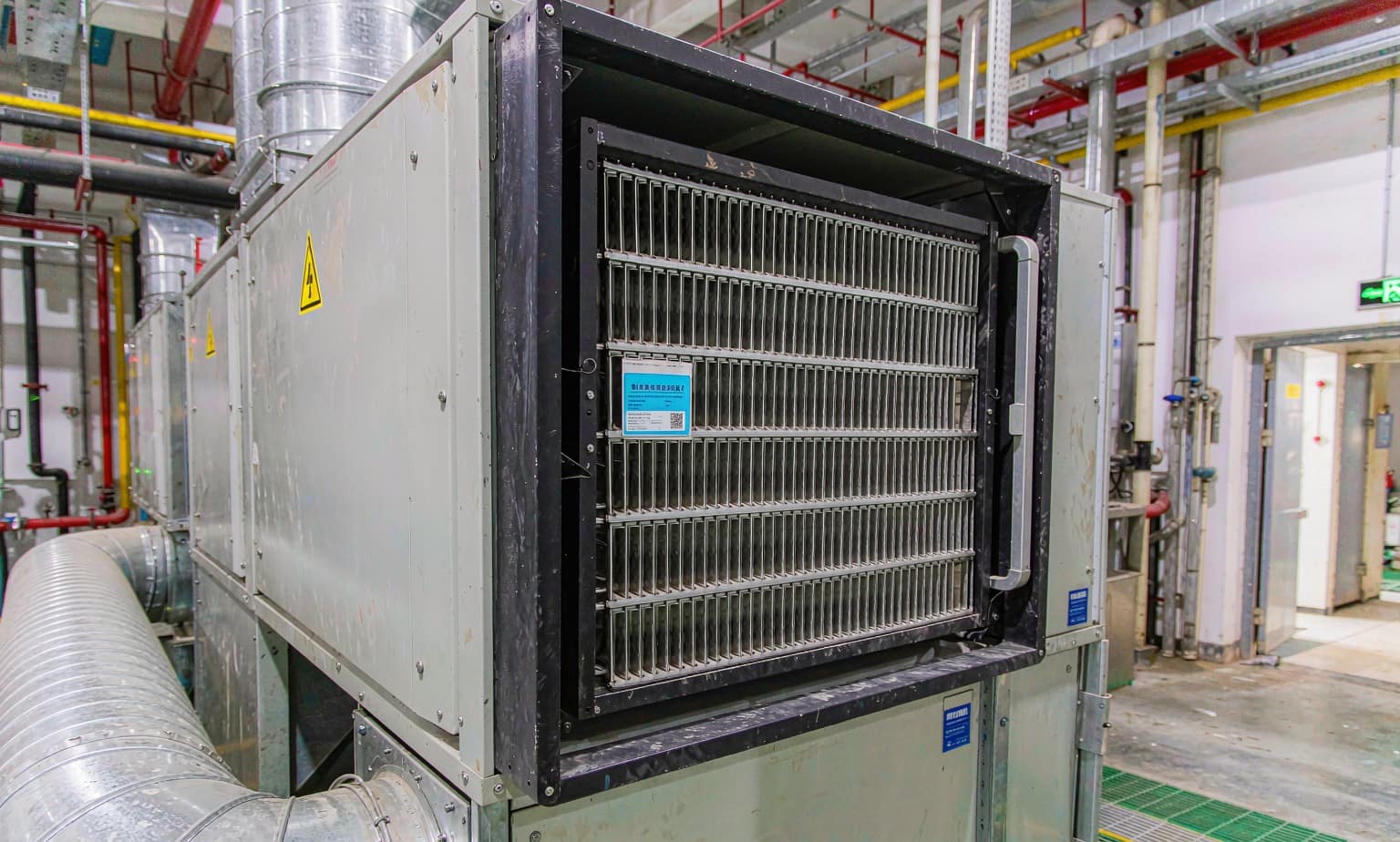
Lithium Battery Manufacturing: NMP Solvent Heat Recovery for Sustainable Production

Lithium Battery Manufacturing: NMP Solvent Heat Recovery for Sustainable Production

The rapid growth of electric vehicle and energy storage markets has driven unprecedented expansion in lithium-ion battery manufacturing. A critical but often overlooked aspect of this industry is the use of N-Methyl-2-pyrrolidone (NMP) as a solvent in electrode coating processes. NMP recovery systems with integrated heat recovery are essential for both cost control and environmental compliance.

The Role of NMP in Battery Manufacturing

NMP is used to dissolve binder materials during the electrode coating process for lithium-ion batteries. After coating, the solvent must be evaporated and recovered. This process consumes significant thermal energy and generates large volumes of NMP-laden exhaust that require treatment.

Typical NMP recovery systems include:

  • Coating machine exhaust — Hot air carrying evaporated NMP
  • Condensation recovery — Cooling to condense and recover liquid NMP
  • Distillation purification — Separating NMP from water for reuse

Heat Recovery Opportunities

Multiple points in the NMP recovery process offer heat recovery potential:

Exhaust Air Heat Recovery

The hot exhaust from coating machines (typically 80–120°C) can preheat incoming fresh air using gas-to-gas plate heat exchangers. This reduces the energy required to maintain coating machine temperatures.

Distillation Column Heat Integration

NMP-water separation requires significant thermal input. Heat from distillation column overhead condensers and reboiler streams can be recovered and reused within the process.

Waste Heat from Thermal Oxidizers

Any remaining VOC emissions may be destroyed in thermal oxidizers. The hot exhaust from these units (often 600–800°C) provides high-grade heat suitable for steam generation or process heating.

System Design Considerations

NMP heat recovery systems require specialized design attention:

  • Material compatibility: NMP is aggressive toward many polymers; stainless steel heat exchangers are typically required
  • Corrosion resistance: NMP-water mixtures can be corrosive under certain conditions
  • Temperature control: Precise temperature management prevents NMP decomposition
  • Safety systems: NMP has specific handling and exposure requirements

Economic and Environmental Benefits

Battery manufacturers implementing comprehensive NMP heat recovery report:

  • Energy savings: 30–50% reduction in thermal energy consumption
  • Solvent recovery: >95% NMP recovery rate, reducing raw material costs
  • Emission reduction: Dramatically lower VOC emissions
  • Operating cost: –5 per kWh equivalent savings at large facilities

For a gigawatt-hour scale battery plant, annual savings from NMP heat recovery can exceed –10 million.

Industry Adoption

Leading battery manufacturers in China, South Korea, and Europe have made NMP heat recovery standard practice. As ESG reporting requirements expand and energy costs remain elevated, this technology is becoming essential for competitive battery production.

Conclusion

NMP solvent heat recovery represents a critical technology for sustainable lithium battery manufacturing. The combination of energy savings, solvent recovery, and emission reduction delivers compelling returns while supporting the clean energy transition that battery products enable.


Published by CNDOI — Battery Industry Energy Solutions

Industrial VOCS Heat Recovery: Turning Paint Shop Emissions into Energy Savings

Industrial VOCS Heat Recovery: Turning Paint Shop Emissions into Energy Savings

Industrial coating and paint shop operations are among the most energy-intensive processes in manufacturing. Spray booths, curing ovens, and drying tunnels consume massive amounts of thermal energy — and release equally large volumes of hot, solvent-laden exhaust. For facilities seeking to reduce costs and meet stringent environmental regulations, VOCS heat recovery systems offer a compelling solution that transforms waste into savings.

Understanding VOCS and Heat Recovery

Volatile Organic Compounds (VOCs) are solvents and chemicals released during paint application and curing processes. These emissions serve a dual purpose: they represent both an environmental liability and an untapped thermal energy source.

Exhaust temperatures from paint shops typically range from 60°C to 180°C, depending on the curing process. A typical automotive paint shop may exhaust millions of cubic meters of heated air daily — energy that is completely lost without recovery systems.

Application Scenarios

Automotive Manufacturing

Modern automotive paint shops consume 40–60% of total plant energy. Heat recovery systems capture thermal energy from cure oven exhaust and use it to preheat incoming air for booth conditioning, resulting in 25–35% heating cost reduction.

Commercial Vehicle and Equipment Coating

Heavy equipment manufacturers operating batch coating processes benefit from:

  • Thermal oxidizer exhaust heat recovery
  • RTO (Regenerative Thermal Oxidizer) heat recovery
  • Booth makeup air preheating

Plastic and Electronics Coating

Facilities coating consumer electronics, appliances, and plastic components utilize heat recovery to reduce energy consumption while maintaining strict environmental compliance.

System Components

A complete VOCS heat recovery system typically includes:

  • Heat exchangers: Plate-type or shell-and-tube designs for efficient thermal transfer
  • RTO/RCO units: Oxidizers that destroy VOCs while recovering heat
  • Corrosion-resistant materials: Stainless steel or specialized coatings for solvent-containing exhaust
  • Control systems: Automated monitoring and optimization

Benefits and ROI

Implementing VOCS heat recovery delivers measurable returns:

  • Energy savings: 20–40% reduction in thermal energy consumption
  • Regulatory compliance: Meet EPA, EU VOC, and local emission standards
  • Carbon footprint: Significant CO₂ emission reductions
  • Payback period: 2–4 years depending on operation scale

Conclusion

VOCS heat recovery represents both an environmental imperative and a business opportunity. Facilities that implement these systems not only reduce operating costs but also demonstrate environmental leadership — increasingly important for meeting ESG goals and regulatory requirements.


Published by CNDOI — Industrial Environmental Solutions

Optimizing Livestock Ventilation: Heat Recovery Solutions for Modern Animal Agriculture

Optimizing Livestock Ventilation: Heat Recovery Solutions for Modern Animal Agriculture

Modern livestock facilities face a critical challenge: maintaining optimal indoor air quality while managing energy costs. With thousands of animals housed in enclosed spaces, proper ventilation is essential for animal health and productivity. However, continuously exhausting warm indoor air and bringing in cold outdoor air creates massive energy losses — especially during winter months. Heat recovery ventilation systems offer a sustainable solution that benefits both animal welfare and operational economics.

The Ventilation Challenge in Livestock Facilities

Swine and poultry operations require continuous air exchange to remove moisture, ammonia, carbon dioxide, dust, and pathogens. Typical minimum ventilation rates range from 0.3 to 2.0 air changes per hour depending on animal type and growth stage. During winter, heating this incoming cold air to comfortable temperatures (18–25°C for most livestock) requires substantial energy input.

Consider a typical 1,000-head swine finishing barn. In northern climates, heating costs during winter months can exceed ,000–,000 per season, with 60–80% of this energy lost through exhaust ventilation. This represents both a financial burden and an environmental concern.

How Heat Recovery Works in Livestock Facilities

A gas-to-gas plate heat exchanger installed in the ventilation system captures thermal energy from the warm, humid exhaust air and transfers it to the cold incoming fresh air. The two air streams flow through adjacent channels separated by thin, heat-conductive plates — typically aluminum or epoxy-coated aluminum for corrosion resistance.

Key performance characteristics include:

  • Heat recovery efficiency: 60–80% of exhaust heat energy recovered
  • Fresh air preheating: Outdoor air warmed from -10°C to +10–15°C before entering the barn
  • No cross-contamination: Exhaust and supply air remain completely separate
  • Humidity management: Recovered heat helps maintain proper humidity levels

Application Scenarios

Swine Facilities

Pig barns generate significant moisture and ammonia from animal respiration, manure, and feed. Heat recovery systems are particularly valuable for:

  • Farrowing rooms — Precise temperature control critical for piglet survival
  • Nursery rooms — Young pigs require warm, draft-free environments
  • Finishing barns — Large air volumes benefit from heat recovery

Poultry Houses

Broiler and layer facilities benefit from heat recovery in several ways:

  • Reduced heating fuel consumption during cold weather
  • More uniform temperature distribution across the house
  • Improved litter conditions due to better humidity control
  • Enhanced bird health and feed conversion efficiency

Dairy Facilities

Free-stall barns and calf housing can utilize heat recovery for:

  • Maintaining comfortable temperatures for milk production
  • Protecting young calves from cold stress
  • Reducing heating costs in milking parlors

Disinfection Rooms and Wash Stations

Biosecurity protocols require vehicles and equipment to pass through heated disinfection rooms. Heat recovery systems can capture heat from these high-temperature spaces and use it elsewhere in the facility.

Material Considerations

Livestock environments present unique challenges for heat exchanger materials:

  • Ammonia resistance: Epoxy-coated aluminum or stainless steel plates resist corrosive ammonia
  • Moisture tolerance: Hydrophilic coatings improve performance in humid exhaust streams
  • Cleanability: Removable plate cores allow periodic washing to remove dust and biological deposits
  • Frost protection: In extremely cold climates, defrost cycles or bypass systems prevent ice formation

Economic Returns

The investment in heat recovery ventilation typically delivers:

  • Energy savings: 30–50% reduction in heating costs
  • Payback period: 2–4 years depending on climate and facility size
  • Animal performance: Improved weight gain and feed conversion
  • Mortality reduction: Better environmental conditions reduce animal losses

For a 2,400-head swine finishing barn in a cold climate, annual heating savings alone can reach ,000–,000, with additional benefits from improved animal performance.

Implementation Best Practices

  1. Size appropriately: Match heat exchanger capacity to minimum ventilation requirements
  2. Position correctly: Install for easy maintenance access and proper drainage
  3. Control integration: Connect to existing ventilation controllers for automatic operation
  4. Maintenance schedule: Plan for regular cleaning, especially in dusty environments
  5. Monitor performance: Track temperature differential and energy savings

Conclusion

Heat recovery ventilation represents a mature, proven technology for improving the sustainability and profitability of livestock operations. As energy costs continue to rise and environmental regulations become more stringent, the adoption of heat recovery systems will accelerate across the animal agriculture sector.

For producers seeking to reduce operating costs while improving animal welfare and environmental stewardship, heat recovery ventilation offers a compelling solution with measurable returns within just a few years.


Published by CNDOI — Agricultural Energy Efficiency Solutions

Case Study: How Gas-to-Gas Plate Heat Exchangers Transform Food Drying Operations

Case Study: How Gas-to-Gas Plate Heat Exchangers Transform Food Drying Operations

Food drying is one of the oldest preservation methods known to humanity, yet it remains one of the most energy-intensive processes in the food processing industry. From vegetables and fruits to seafood and grains, commercial drying operations consume enormous amounts of thermal energy — much of which escapes through exhaust vents as wasted heat. Gas-to-gas plate heat exchangers are changing this equation, enabling food processors to recover up to 70% of waste heat and dramatically reduce operating costs.

The Challenge: High Energy Costs in Food Drying

Typical food drying systems — whether tunnel dryers, belt dryers, or cabinet ovens — work by forcing hot air through or over product. As the air absorbs moisture, it becomes humid and is expelled to maintain drying efficiency. This exhaust air still carries significant thermal energy, often at temperatures between 60°C and 120°C, representing a substantial energy loss.

For large-scale operations processing vegetables, nuts, seafood, or traditional products like dried fish and herbal medicines, the cumulative energy waste can represent 30–50% of total thermal input. With rising energy prices globally, this inefficiency translates directly into reduced profit margins.

The Solution: Plate Heat Exchanger Technology

A gas-to-gas plate heat exchanger (also known as an air-to-air heat exchanger) recovers thermal energy from the moist exhaust stream and transfers it to the incoming fresh air supply. The two air streams flow through alternating channels separated by thin heat-conducting plates — typically made from aluminum, stainless steel, or epoxy-coated aluminum depending on the operating environment.

Key advantages of this technology include:

  • No cross-contamination — The two air streams never mix, ensuring product safety
  • Compact footprint — Plate design offers high heat transfer density in a small space
  • Customizable sizing — Units can be fabricated to exact dimensions required by the installation
  • Low maintenance — No moving parts; washable aluminum or corrosion-resistant plates extend service life
  • Wide temperature range — Suitable for both low-temperature fruit drying and high-temperature grain processing

Application Scenarios

Vegetable and Fruit Dehydration

Dehydrating vegetables like mushrooms, bamboo shoots, and herbs requires precise temperature control. Plate heat exchangers preheat incoming air using exhaust heat, reducing fuel consumption by 25–40%. The recovered heat also helps maintain consistent drying temperatures across the drying chamber, improving product uniformity.

Seafood and Marine Products

Drying fish, shrimp, and seaweed generates high-humidity exhaust that contains considerable thermal energy. Epoxy-coated aluminum heat exchangers resist salt corrosion while efficiently recovering heat. Facilities along coastal regions report energy savings of up to 35% after installing recovery systems.

Grain and Feed Processing

Feed pellet drying and grain conditioning operations use large volumes of heated air. Gas-to-gas heat exchangers in these applications can handle high air volumes and temperatures, making them ideal for continuous production environments.

Herbal and Traditional Medicine

Drying medicinal herbs such as ginseng, astragalus, and caterpillar fungus requires gentle, controlled temperatures to preserve active compounds. Heat recovery systems help maintain the low-temperature drying profiles needed for premium-quality botanical products.

Return on Investment

Most food processing facilities report a payback period of 1–2 years when installing plate heat exchanger heat recovery systems. The actual ROI depends on factors such as:

  • Operating hours (continuous vs. batch processing)
  • Current energy costs
  • Drying temperature requirements
  • Exhaust air volume and moisture content
  • Local climate conditions

For a medium-scale vegetable dehydration facility operating 16 hours per day, typical annual energy savings range from 30,000 to 80,000 USD depending on regional energy prices and system specifications.

Choosing the Right Heat Exchanger

Selecting the optimal heat exchanger for a food drying application requires careful consideration of several parameters:

Parameter Consideration
Material Epoxy-coated aluminum for humid/corrosive environments; stainless steel for high-temperature or acidic exhaust
Configuration Cross-flow for compact installations; counter-flow for maximum recovery efficiency
Temperature range Match plate material and gasket specifications to peak operating temperatures
Air volume Size the unit to handle maximum exhaust flow without excessive pressure drop
Maintenance access Ensure the installation allows for periodic cleaning and inspection

Conclusion

Gas-to-gas plate heat exchangers offer a proven, cost-effective solution for food drying operations seeking to reduce energy consumption and improve sustainability. With customizable designs suitable for virtually any drying application — from delicate herb processing to high-volume grain conditioning — these systems deliver measurable returns while helping food processors meet increasingly stringent environmental targets.

As energy costs continue to rise and carbon reduction becomes a regulatory priority across food manufacturing sectors, heat recovery technology is no longer optional. It is an essential component of a modern, competitive food processing operation.


Published by CNDOI — Industrial Energy Efficiency Solutions

Heat Recovery Ventilation Systems: Enhancing Energy Efficiency in Modern Buildings

# Heat Recovery Ventilation Systems: Enhancing Energy Efficiency in Modern Buildings

## Introduction

Heat recovery ventilation (HRV) systems represent a critical advancement in building climate control technology, combining efficient air exchange with thermal energy conservation. These sophisticated systems have become essential components in contemporary HVAC design, particularly in energy-conscious construction projects. By capturing and reusing thermal energy from exhaust air, heat exchangers significantly reduce heating and cooling loads while maintaining superior indoor air quality.

## Understanding Heat Exchangers in Ventilation

Heat exchangers are the core technology enabling heat recovery in ventilation systems. These devices facilitate the transfer of thermal energy between two air streams—typically between outgoing stale air and incoming fresh air—without allowing the air streams to mix. This process occurs through a thermally conductive barrier, usually made from aluminum, copper, or specialized polymers.

The efficiency of modern heat exchangers typically ranges from 70% to 90%, meaning that 70-90% of the thermal energy in exhaust air is recovered and transferred to incoming fresh air. This remarkable efficiency translates directly into reduced energy consumption for heating during winter months and cooling during summer periods.

## Types of Heat Recovery Systems

**Plate Heat Exchangers** remain the most common configuration in residential and light commercial applications. These units feature multiple thin plates stacked together, creating alternating channels for warm and cool air streams. The compact design and high surface area enable excellent heat transfer efficiency while maintaining a relatively small footprint.

**Rotary Heat Exchangers** (also called thermal wheels) employ a rotating drum filled with a heat-absorbing material. As the drum rotates, it alternately exposes its surface to exhaust air and incoming fresh air, transferring thermal energy with each rotation. These systems achieve exceptional efficiency rates and are particularly effective in applications requiring high air volumes.

**Run-Around Coil Systems** utilize a circulating liquid medium to transport thermal energy between two separate heat exchangers. This configuration offers flexibility in system design and is ideal for situations where the exhaust and intake points are geographically separated.

## Benefits of Heat Recovery Ventilation

The implementation of HRV systems delivers multiple advantages to building owners and occupants. Energy savings represent the most quantifiable benefit—studies consistently demonstrate 20-40% reductions in annual heating and cooling energy consumption. In climates with significant temperature variations, these savings can be even more substantial.

Beyond energy efficiency, HRV systems maintain continuous fresh air supply while preventing the drafts and discomfort associated with traditional ventilation methods. The controlled air exchange ensures consistent indoor air quality by removing moisture, odors, and pollutants while introducing filtered outdoor air.

## Applications in Modern Ventilation Design

Contemporary ventilation systems increasingly integrate heat recovery technology as a standard feature rather than an optional upgrade. Residential applications benefit from improved comfort and reduced utility bills, while commercial buildings achieve compliance with increasingly stringent energy codes and sustainability standards.

Industrial applications employ specialized heat exchangers designed for demanding environments, handling high-temperature exhaust streams and corrosive atmospheres. These robust systems maintain operational reliability while recovering valuable thermal energy that would otherwise be wasted.

## Conclusion

Heat recovery ventilation systems represent a mature, proven technology that delivers substantial energy savings while improving indoor environmental quality. As building codes continue to emphasize energy efficiency and sustainability, the adoption of HRV systems with advanced heat exchangers will undoubtedly accelerate. For architects, engineers, and building owners committed to reducing operational costs and environmental impact, heat recovery ventilation technology offers an excellent return on investment combined with measurable performance benefits.

How Air-to-Air Plate Heat Exchangers Are Transforming Industrial Drying Operations: A Case Study in Waste Heat Recovery

In today's energy-conscious manufacturing landscape, industrial drying operations represent one of the largest sources of thermal energy waste. From food processing and textile manufacturing to lithium battery production and agricultural product drying, facilities worldwide are discovering that recovering exhaust heat through air-to-air plate heat exchangers can dramatically reduce energy costs while improving environmental compliance.

The Challenge: Energy Loss in Industrial Drying

Industrial drying processes — whether for seafood, herbs, nonwoven fabrics, coating machines, or battery electrode films — typically exhaust large volumes of hot, humid air directly to the atmosphere. This exhaust stream carries significant thermal energy that, until recently, was simply discarded. A typical coating machine drying oven, for example, may exhaust air at 80–150°C, representing thousands of kilowatt-hours of recoverable energy per day.

The challenge has always been how to capture this energy efficiently without cross-contaminating the fresh intake air, especially when the exhaust contains solvents, moisture, or corrosive compounds such as NMP (N-Methyl-2-pyrrolidone) used in lithium battery electrode coating lines.

The Solution: Sensible Heat Plate Heat Exchangers

Air-to-air plate heat exchangers — also known as gas-to-gas heat recovery cores — solve this problem elegantly. By routing exhaust air and fresh intake air through alternating channels separated by thin aluminum foil or stainless steel plates, these devices transfer heat from the hot exhaust stream to the incoming cold air without any mixing between the two streams.

Key design variants include:

  • Cross-flow plate heat exchangers — compact, easy to install, suitable for most drying applications
  • Counter-flow (reverse-flow) heat exchangers — achieve higher heat recovery efficiency, ideal for applications requiring maximum energy savings
  • Cross-counterflow hybrid designs — combine the benefits of both flow patterns for demanding industrial environments
  • Hexagonal core designs — offer superior structural strength and are widely used in ventilation systems for livestock housing and mushroom cultivation facilities

Real-World Application: Coating Machine Exhaust Heat Recovery

One of the most compelling use cases involves coating and laminating machines used in the production of lithium battery separators and electrode films. These machines operate continuous drying ovens at elevated temperatures to evaporate NMP solvent from the electrode slurry. The exhaust gas, laden with NMP vapor and heat, was previously treated as waste.

By installing a custom-dimensioned stainless steel air-to-air plate heat exchanger at the exhaust outlet, manufacturers have achieved the following results:

  • Heat recovery efficiency of 65–80%, depending on flow configuration
  • Reduction in fresh air preheating energy consumption by 40–60%
  • Exhaust gas temperature reduced from 120°C to below 50°C before entering downstream VOC treatment systems
  • Improved performance of downstream RTO (Regenerative Thermal Oxidizer) and RCO (Regenerative Catalytic Oxidizer) systems due to lower inlet temperatures

Application Across Industries

The versatility of air-to-air plate heat exchangers has made them indispensable across a wide range of drying and ventilation applications:

Food and Agricultural Drying: Facilities drying seafood (fish, shrimp, shellfish), mushrooms (shiitake, silver ear fungus, king oyster mushrooms), nuts (peanuts, walnuts, chestnuts), herbs (traditional Chinese medicine materials), and noodles/vermicelli have all benefited from exhaust heat recovery. Hydrophilic aluminum foil cores are particularly popular in these applications due to their resistance to moisture and ease of cleaning.

Textile and Nonwoven Fabric Production: Stenter machines, heat-setting equipment, and spunlace nonwoven fabric drying lines generate large volumes of hot exhaust air. Stainless steel heat exchanger cores resistant to salt spray and chemical corrosion are the preferred choice for these environments.

Livestock and Poultry Farming: Modern intensive livestock operations — pig farms, chicken houses, rabbit hutches, and cattle barns — require continuous ventilation to maintain air quality. Heat recovery ventilators using aluminum foil plate heat exchanger cores allow farmers to maintain fresh air supply during cold winters while retaining up to 75% of the heat that would otherwise be lost through exhaust ventilation.

Electronics and Data Centers: Server rooms, communication base stations, photovoltaic inverter cabinets, and EV charging station enclosures require efficient cooling without exposing sensitive electronics to outdoor air. Closed-loop air-to-air heat exchangers provide effective thermal management while maintaining IP-rated enclosure integrity.

Material Selection and Customization

The choice of heat exchanger core material is critical to long-term performance:

  • Hydrophilic aluminum foil — standard choice for most drying applications; washable, cost-effective, good thermal conductivity
  • Epoxy-coated aluminum foil — enhanced corrosion resistance for applications involving ammonia (livestock housing), acidic gases, or salt spray (coastal seafood processing)
  • Stainless steel foil (304/316L) — required for high-temperature applications above 150°C, or where chemical resistance to solvents, NMP, or corrosive exhaust gases is essential

Modern manufacturers offer fully customizable dimensions — length, width, and height can be specified to the millimeter — allowing heat exchangers to be integrated into existing ductwork and equipment without major structural modifications.

Return on Investment

For a medium-sized food drying facility operating 20 hours per day, the installation of an air-to-air plate heat recovery system typically achieves payback within 12–24 months. Energy savings of 30–60% on drying-related heating costs are commonly reported, with the heat exchanger core itself requiring minimal maintenance — typically an annual cleaning with water or compressed air.

As energy costs continue to rise and environmental regulations tighten, waste heat recovery through air-to-air plate heat exchangers represents one of the most practical and cost-effective energy efficiency investments available to industrial operators today.

Conclusion

Whether you are operating a coating line for lithium battery production, a drying room for agricultural products, a textile stenter machine, or a livestock ventilation system, air-to-air plate heat exchangers offer a proven, reliable path to significant energy savings. With customizable dimensions, a choice of materials suited to your specific exhaust gas conditions, and heat recovery efficiencies of up to 80%, these devices are rapidly becoming standard equipment in energy-conscious industrial facilities worldwide.

Heat Exchangers and Ventilation Heat Recovery: Application Scenarios Analysis

Heat Exchangers and Ventilation Heat Recovery: Application Scenarios Analysis

In today's industrial landscape, energy efficiency has become a critical concern for businesses across various sectors. Heat exchangers and ventilation heat recovery systems play a pivotal role in optimizing energy consumption, reducing operational costs, and promoting environmental sustainability.

What is Heat Recovery?

Heat recovery is the process of capturing waste heat from industrial processes and reusing it for other purposes. This technology is particularly valuable in industries where high-temperature processes generate significant amounts of waste heat that would otherwise be expelled into the atmosphere.

Key Application Industries

1. Food Processing Industry

The food processing sector extensively uses heat recovery systems in:

  • Vegetable and fruit dehydrators - Recovering heat from drying processes
  • Fish and seafood drying - Utilizing waste heat for product drying
  • Grain and feed processing - Energy recovery from drying equipment
  • Nuts and snack production - Heat recovery in roasting and drying lines

2. Textile and Printing Industry

Textile manufacturers benefit from heat recovery in:

  • Coating and printing machines - Heat recovery from drying processes
  • Setting machines - Waste heat utilization
  • Non-woven fabric production lines - Energy recovery from drying equipment
  • Dyeing and finishing machinery - Heat recovery systems for energy efficiency

3. Agriculture and Livestock

Modern agriculture utilizes heat recovery technology for:

  • Crop drying - Tobacco, grains, and medicinal herbs
  • Livestock facilities - Swine and poultry house ventilation heat recovery
  • Greenhouse ventilation - Temperature control and energy savings
  • Composting equipment - Heat recovery from organic waste processing

4. Industrial Manufacturing

Various manufacturing processes benefit from heat exchangers:

  • Automotive coating and painting - Paint shop heat recovery
  • Battery and lithium-ion production - NMP solvent recovery
  • Ceramic and tile manufacturing - Kiln waste heat recovery
  • Steel and metal processing - High-temperature exhaust heat recovery

5. Building Ventilation Systems

Commercial and residential buildings use heat recovery for:

  • Fresh air systems - Energy recovery ventilation (ERV)
  • Data center cooling - Server rack heat exchangers
  • Central air conditioning - Heat recovery air handling units
  • Laboratory ventilation - Specialized exhaust heat recovery

Types of Heat Exchangers

Gas-to-Gas Heat Exchangers

These units transfer heat between two gas streams without mixing them. They are ideal for:

  • Waste gas heat recovery
  • Fresh air preheating
  • Industrial dryer systems
  • Ventilation systems with heat recovery

Air-to-Air Heat Exchangers

Commonly used in HVAC systems, these devices recover heat from exhaust air to precondition incoming fresh air, significantly reducing heating and cooling loads.

Plate Heat Exchangers

Featuring high efficiency and compact design, plate heat exchangers are widely used in:

  • Industrial process heating/cooling
  • Waste heat recovery systems
  • Marine applications
  • Renewable energy systems

Benefits of Implementing Heat Recovery Systems

  1. Energy Cost Reduction - Save 15-50% on energy consumption
  2. Environmental Impact - Reduce carbon footprint significantly
  3. Process Efficiency - Improve overall production efficiency
  4. Quick ROI - Most systems pay for themselves within 1-3 years
  5. Compliance - Meet environmental regulations more easily

Choosing the Right Heat Recovery Solution

When selecting a heat recovery system, consider these factors:

  • Temperature range - Different applications require different temperature tolerances
  • Corrosion resistance - Harsh environments need specialized materials
  • Flow rate requirements - Match system capacity to process needs
  • Space constraints - Some applications require custom configurations
  • Maintenance requirements - Consider cleaning and servicing accessibility

Conclusion

Heat exchangers and ventilation heat recovery systems represent a cornerstone of modern industrial energy efficiency. With applications spanning from food processing to advanced manufacturing, these technologies offer substantial benefits for businesses seeking to reduce costs and environmental impact.

As energy prices continue to rise and environmental regulations become more stringent, the adoption of heat recovery solutions will increasingly become a competitive necessity rather than just an optimization strategy.


This article is part of our ongoing series on industrial energy efficiency solutions.

Today in History: March 27

Historical Events on March 27

March 27 has witnessed numerous significant events throughout history. Let us take a look at some of the most notable moments that shaped our world.

World Theatre Day (1961)

In 1961, the International Theatre Institute (ITI) established March 27 as World Theatre Day, a global celebration of the art of theatre. Since 1962, this day has been celebrated annually by theatre communities worldwide, promoting the importance of performing arts in cultural exchange and understanding.

FDA Approves Viagra (1998)

On March 27, 1998, the U.S. Food and Drug Administration approved the sale of Viagra (sildenafil citrate), revolutionizing the treatment of erectile dysfunction. This approval marked a significant milestone in pharmaceutical history and changed millions of lives worldwide.

Charles I Becomes King (1625)

On March 27, 1625, Charles I ascended to the throne of England, Scotland, and Ireland following the death of his father, King James I. His reign was marked by religious conflicts and political tensions that eventually led to the English Civil War.

Typhoid Mary Quarantined (1915)

On March 27, 1915, Mary Mallon, known as "Typhoid Mary," was quarantined for a second time. She was the first identified healthy carrier of typhoid fever in the United States, and her case raised important questions about public health and individual rights.

Notable Birthdays on March 27

  • 1970 – Mariah Carey, American singer and songwriter
  • 1963 – Quentin Tarantino, American filmmaker
  • 1975 – Fergie, American singer and actress
  • 1986 – Manuel Neuer, German footballer
  • 1988 – Jessie J, British singer

"We must dare to think unthinkable thoughts."

March 27 reminds us that every day in history holds stories worth remembering – from cultural celebrations to medical breakthroughs, from royal successions to public health milestones.

Energy-Saving Heat Dissipation Counterflow Heat Exchange Core – Waste Heat Recovery Equipment

The energy-saving counterflow heat exchange core is designed to recover heat from exhaust air while improving overall energy efficiency. It is widely used in industrial ventilation systems, telecom base stations, livestock farms, drying equipment, and HVAC systems to reduce energy consumption and operating costs.


Product Features

1. High-Efficiency Counterflow Heat Exchange Design
The counterflow structure allows the hot and cold air streams to flow in opposite directions, maximizing heat transfer time and efficiency. Heat recovery efficiency can reach 70%–90%, significantly improving energy utilization.

2. Energy Saving and Cost Reduction
By recovering heat from exhaust air and transferring it to incoming fresh air, the system reduces the load on heating and cooling equipment, helping businesses lower operational costs and energy consumption.

3. Complete Air Separation
Fresh air and exhaust air exchange heat through the aluminum heat exchange core without mixing, ensuring clean and safe airflow while preventing cross-contamination.

4. Durable and Corrosion-Resistant Materials
The heat exchanger core is made of hydrophilic aluminum foil or aluminum plates, offering excellent corrosion resistance, anti-mold properties, and long service life.

5. Customizable Design
Available in various sizes and specifications. Custom manufacturing can be provided according to airflow requirements, equipment dimensions, and specific application environments.


Applications

  • Telecom base station cooling systems

  • Industrial plant ventilation

  • Livestock and poultry farm ventilation systems

  • Drying equipment waste heat recovery

  • Fresh air ventilation systems

  • Data center and equipment room cooling

Request a Quote
Need Help?