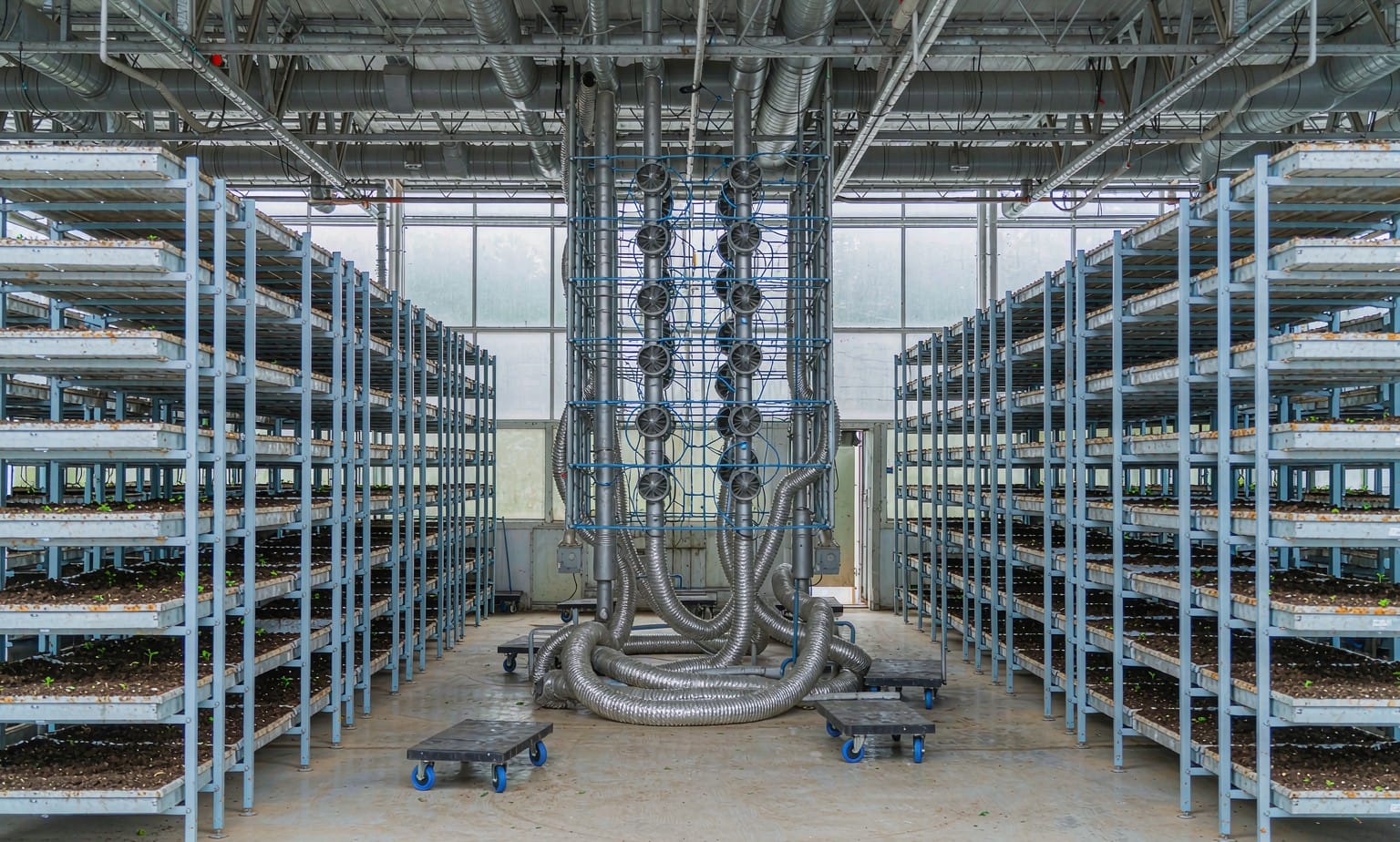
Heat rejection under strict cleanliness
Semiconductor and electronics cleanrooms maintain ultra-clean, tightly controlled air, and the process equipment generates significant heat. Cooling that air while preserving cleanliness is energy-intensive; air-to-air recovery can reject heat to an external loop without ever mixing the clean and ambient airstreams.
Suitable exchanger types and how they work
Sealed plate exchangers and heat-pipe cores are favored because they move heat with no fans on the device and zero leakage between loops. Indirect evaporative cooling adds a water side for very low supply temperatures while keeping the clean loop isolated.
Design considerations for cleanrooms
Leakage between the clean and external loops must be essentially zero — specify IP-rated, sealed cores. Use materials compatible with cleanroom air quality, monitor pressure drop on the fan side, and size for peak equipment heat density. Access for certified cleaning protects the controlled environment.
Typical Application Environments
Heat recovery is valuable wherever a building or process expels warm, stale air while drawing in cold or hot fresh air. Common sites include factory make-up air systems, commercial kitchens, paint booths, drying rooms, laboratories, and cleanrooms. In each case the exhausted air still holds usable thermal energy, and capturing it reduces the heating or cooling demand placed on the primary plant.
Matching the Unit to the Duty
The right selection starts with the air volume, the temperature difference between streams, and the cleanliness of the exhaust. Clean, steady flows suit plate exchangers; humid or dusty exhaust may need a rotary wheel with purge or a unit arranged for easy wash-down. Pressure drop must stay within the fan curve, and the core material must resist any contaminants present in the airstream.
Integration Tips
For the Heat Recovery for Semiconductor and Electronics Cleanrooms duty, position the exchanger so the exhaust is filtered before it reaches the core, and provide condensate drainage where the supply side may drop below the dew point. Balanced supply and exhaust fans keep the building neutral in pressure, which protects indoor air quality and process control. A bypass damper lets the system free-cool in mild weather.
Frequently Asked Questions
Can it handle greasy kitchen air? Yes, with a rotary wheel and a wash cycle, though the exhaust should first pass a grease filter. Will it cause condensation? Some condensate is normal in winter; provide a drain or a defrost strategy on the supply side.